Game Designer & Developer, Yale CS '29
I'm Silas Heaphy, a Yale game designer, developer, and CS student with nine years of development experience. I love designing novel mechanics across genres and creating one-of-a-kind experiences. I'm interested in game narrative through gameplay and unique approaches to music, systems, and storytelling.
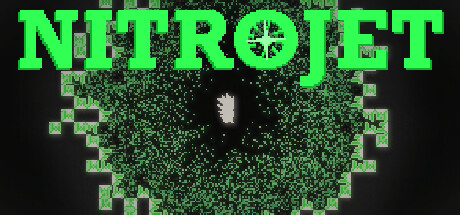
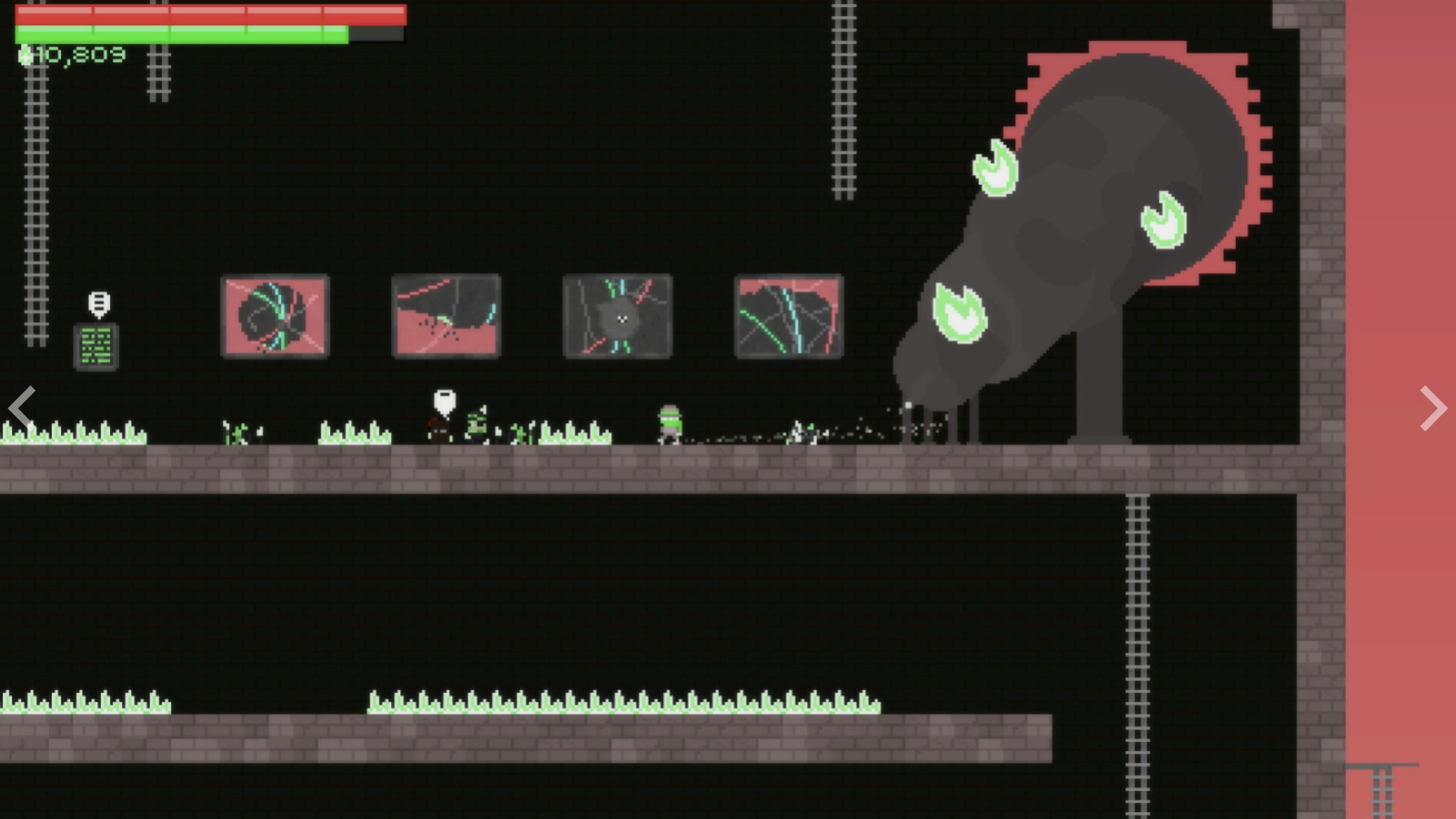
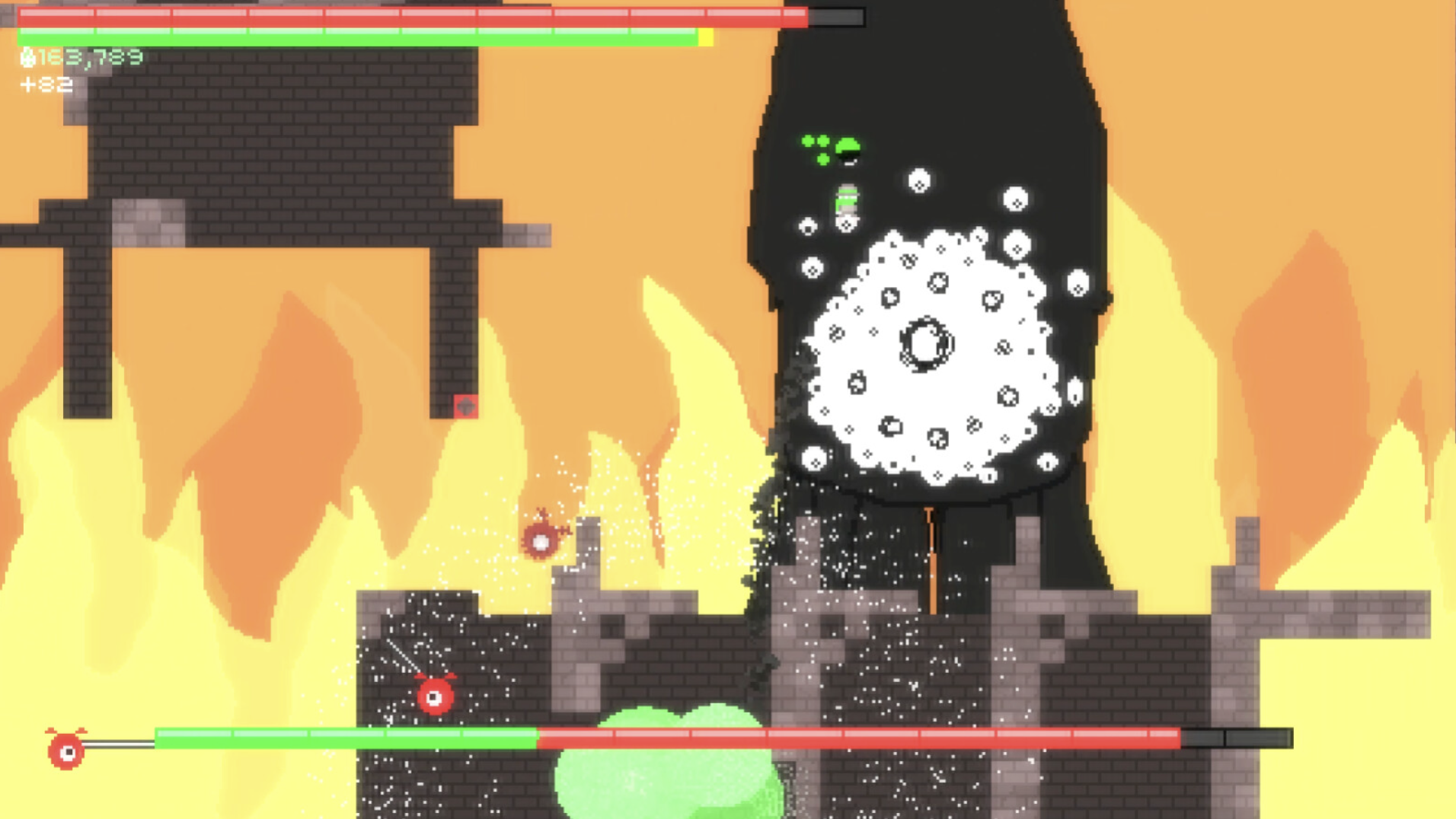
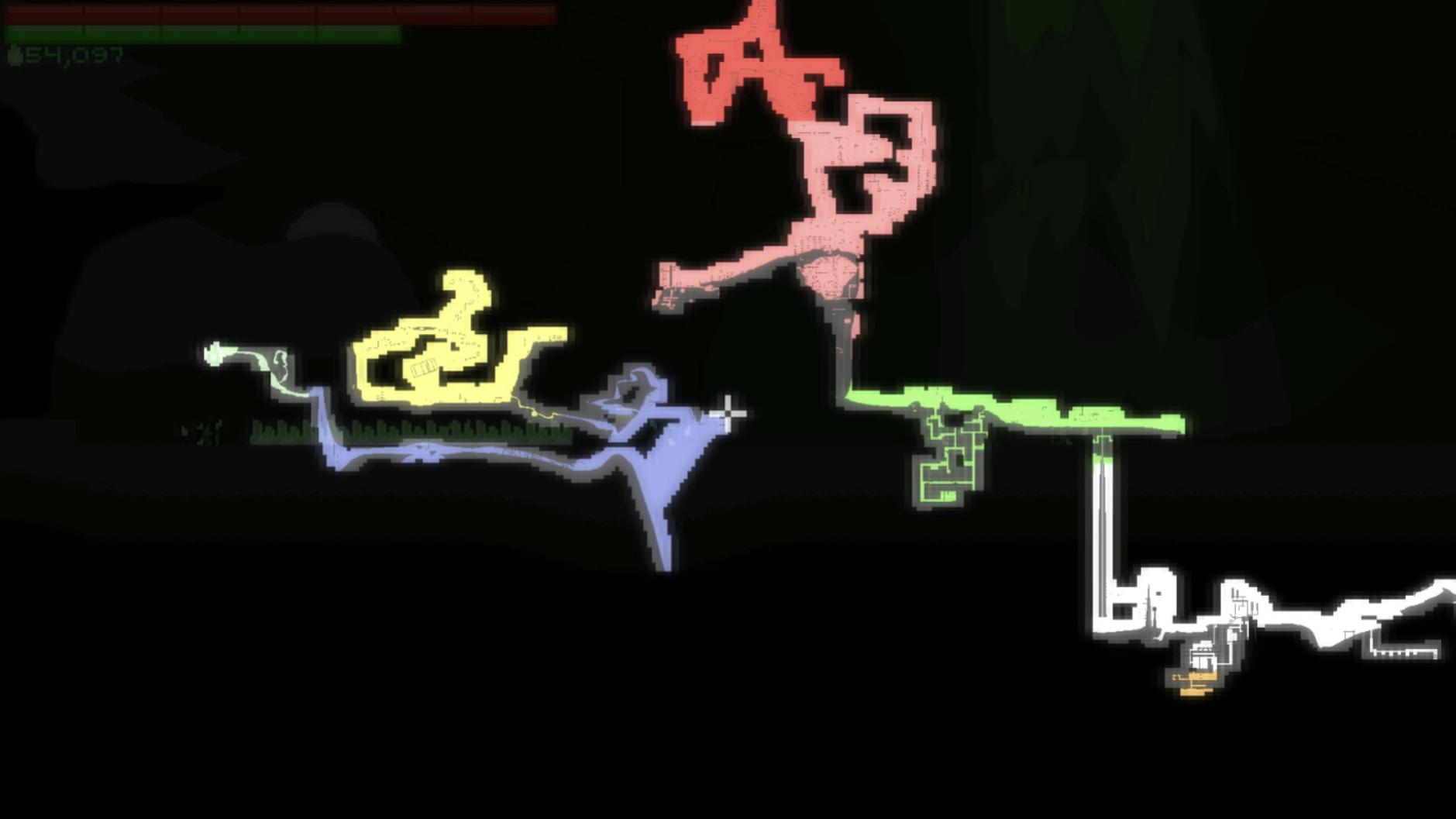
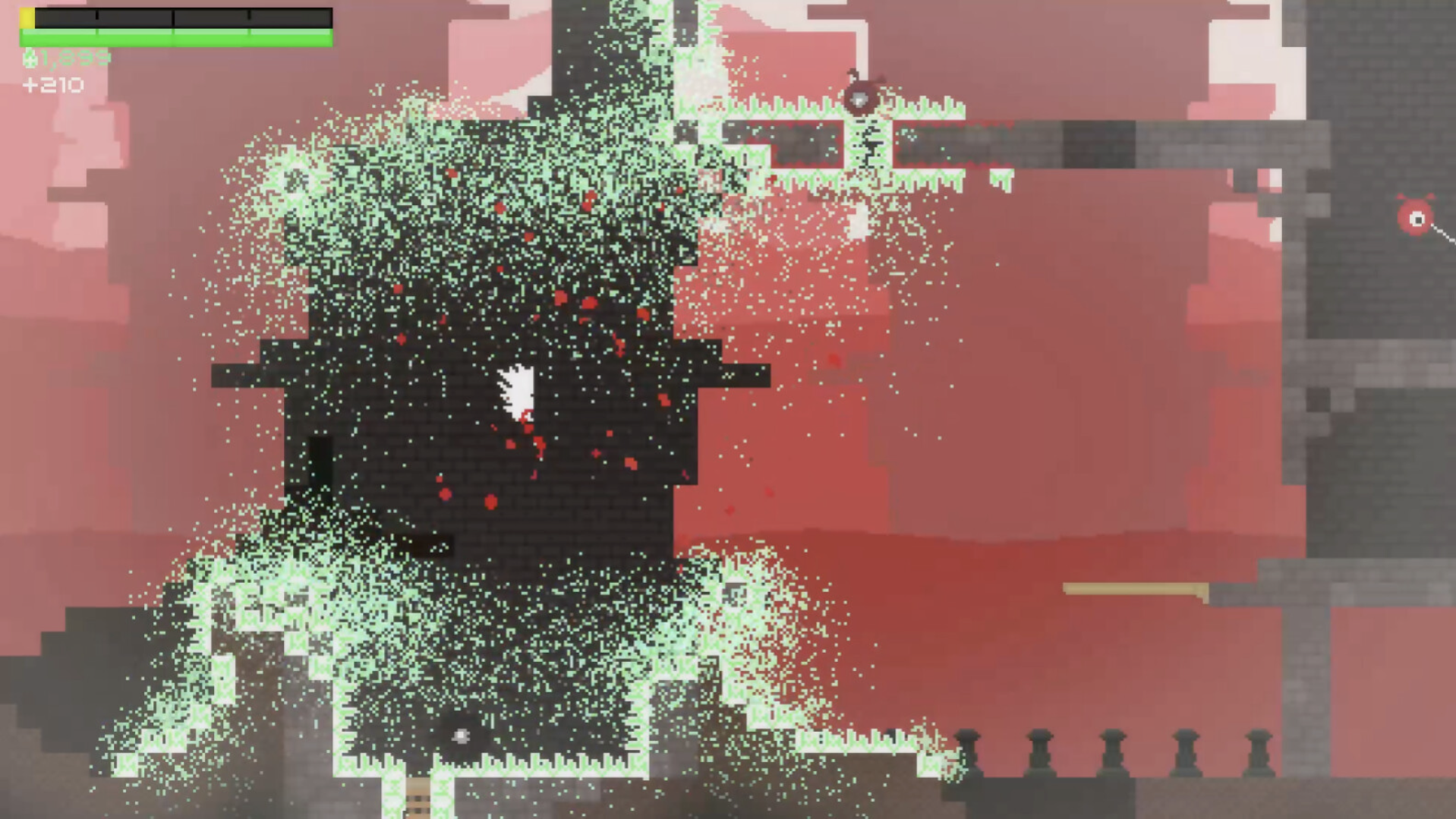
An expansive and chaotic Metroidvania where everything is destructible. Features interconnected map progression and unique combat & movement design.
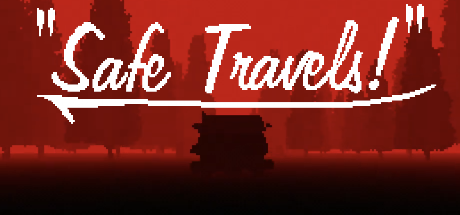
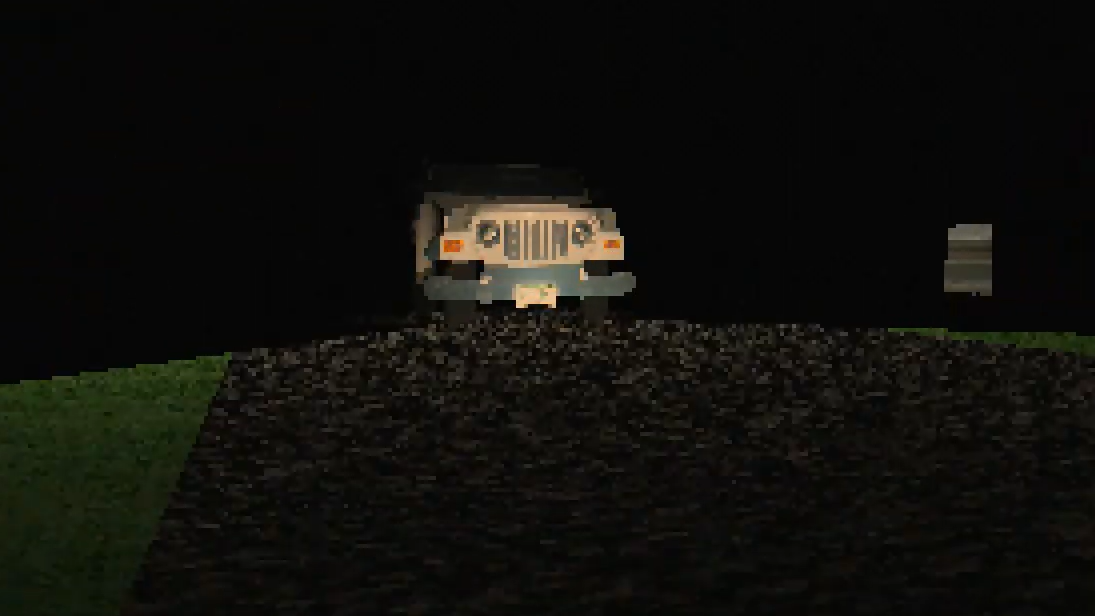
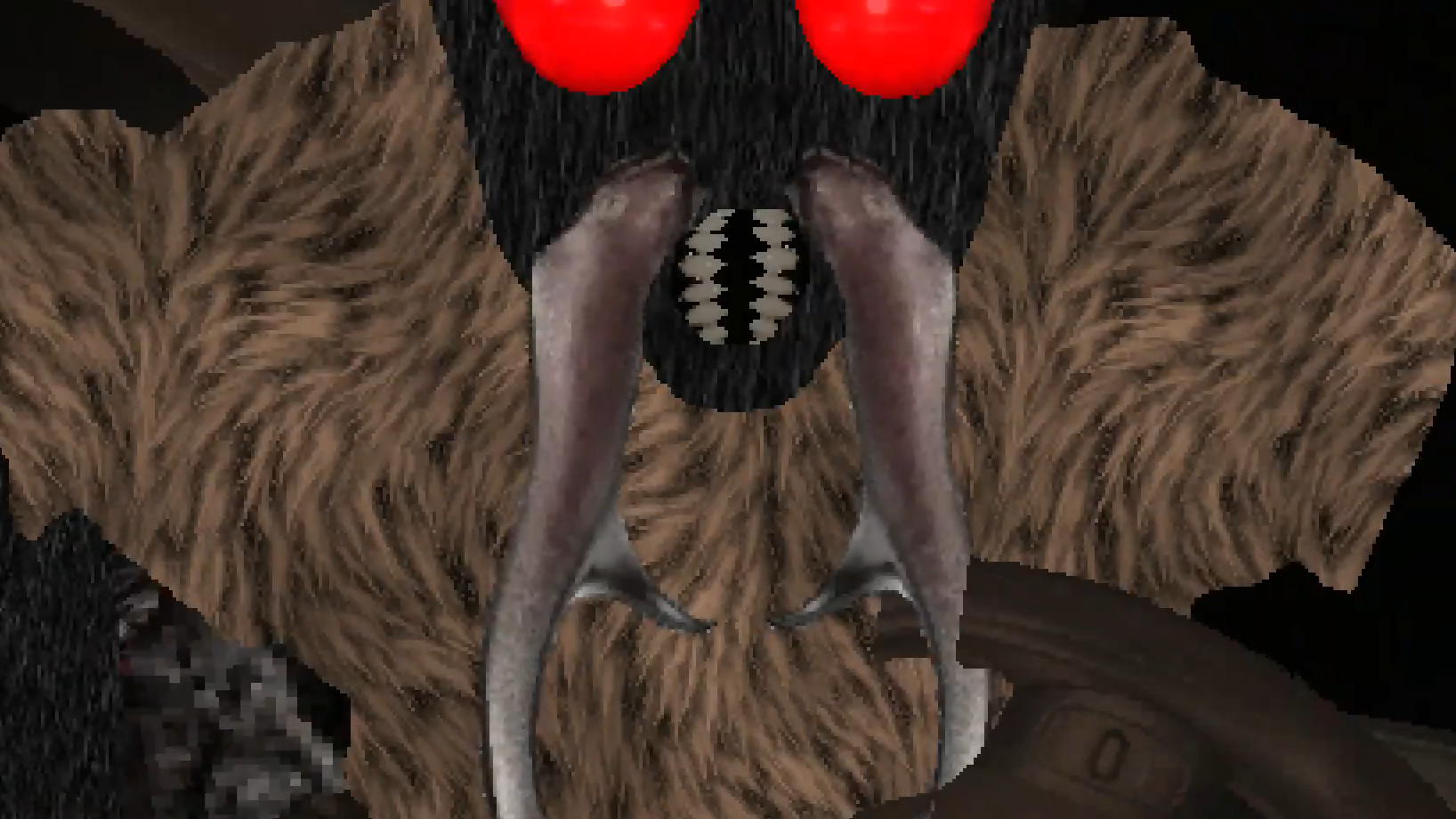
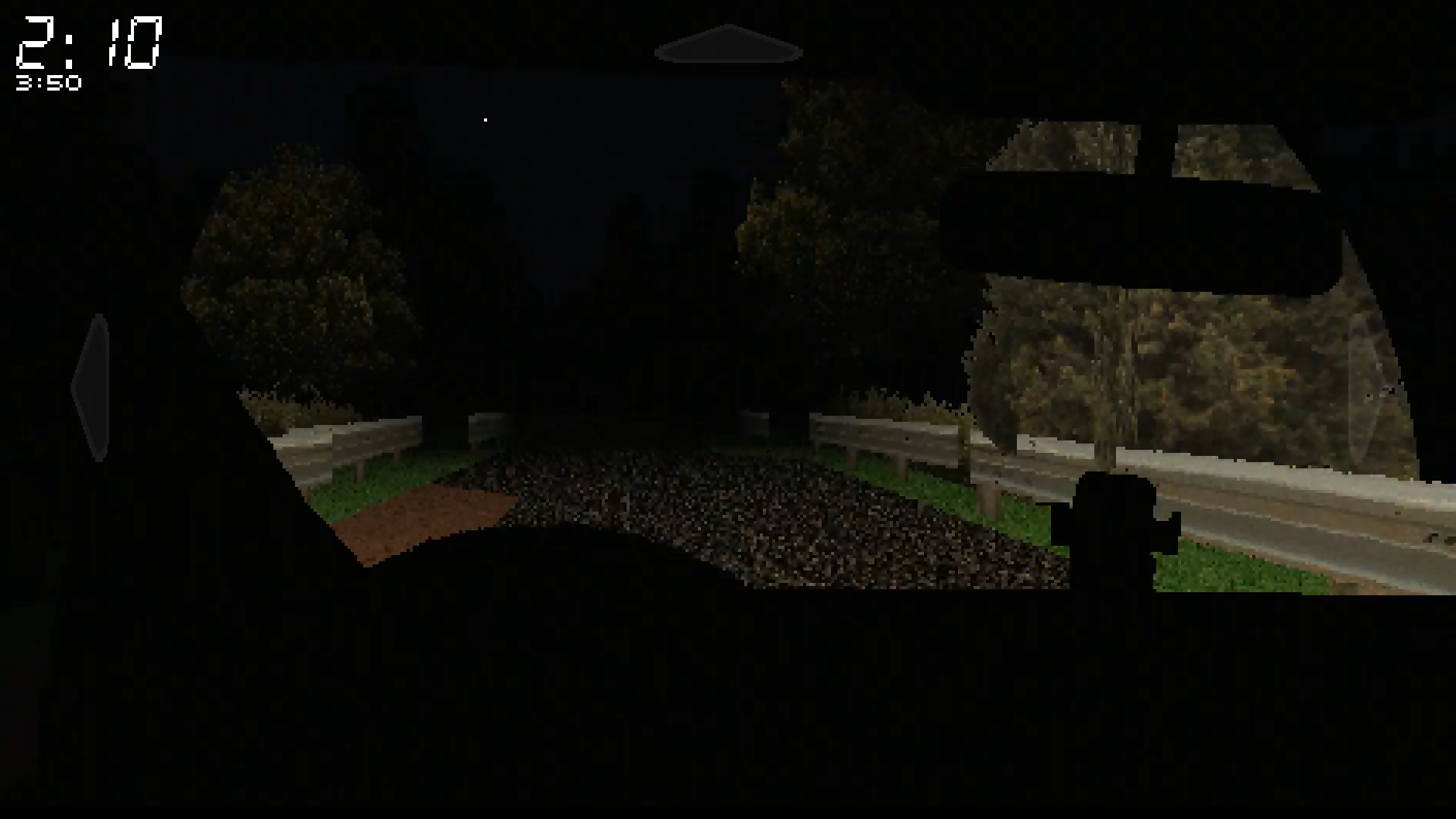
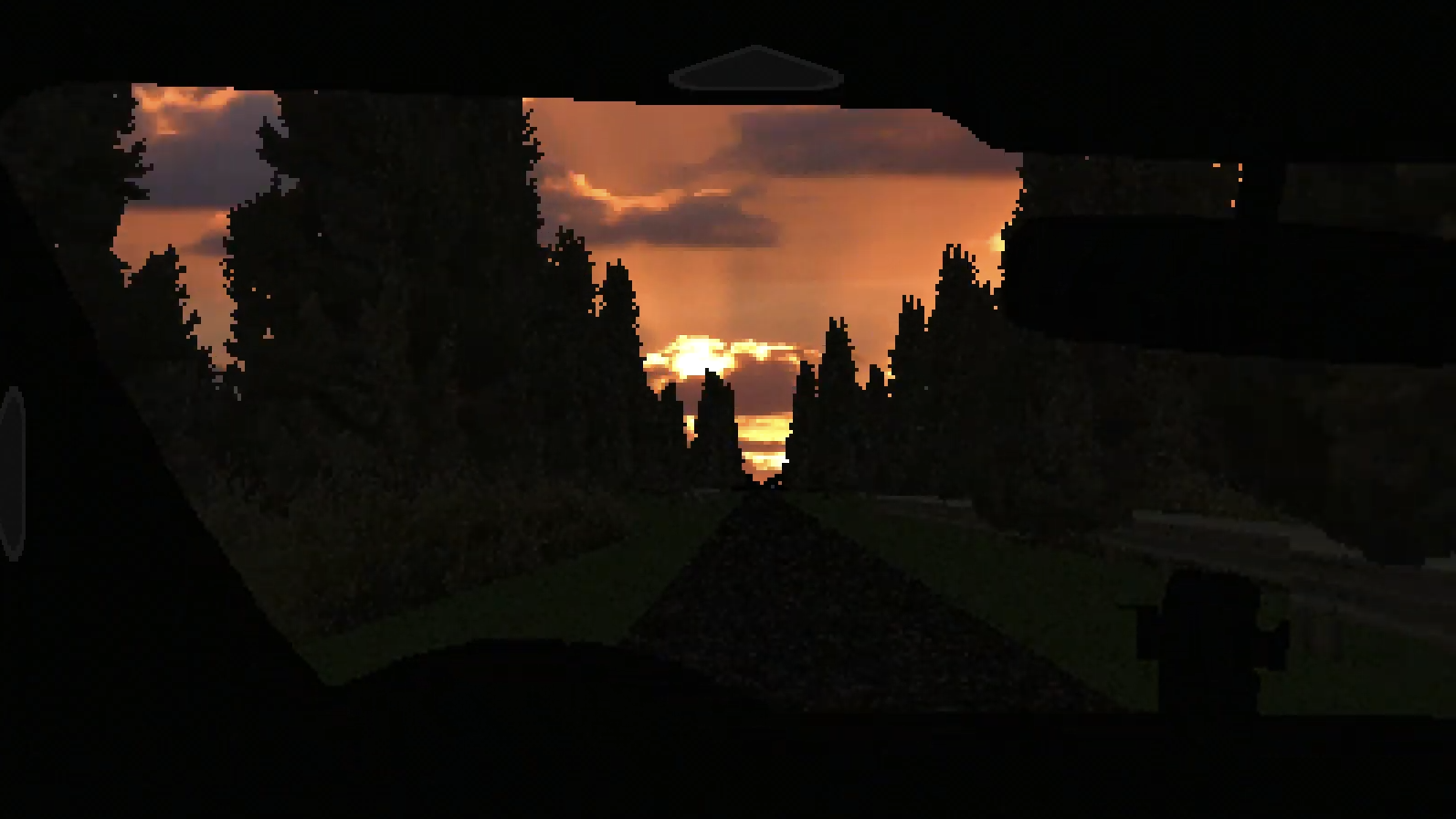
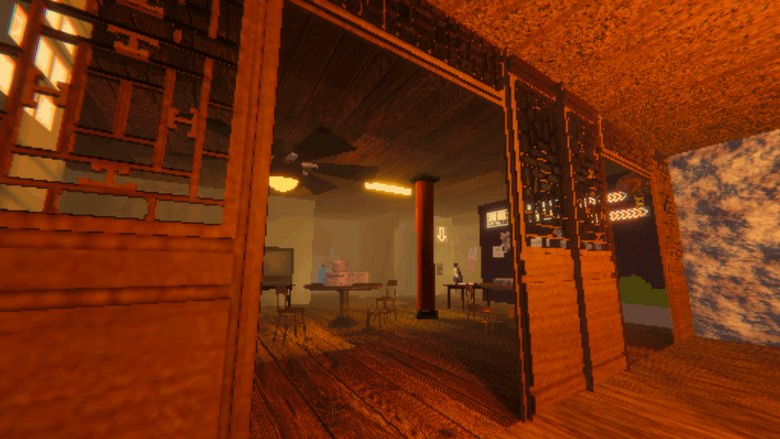
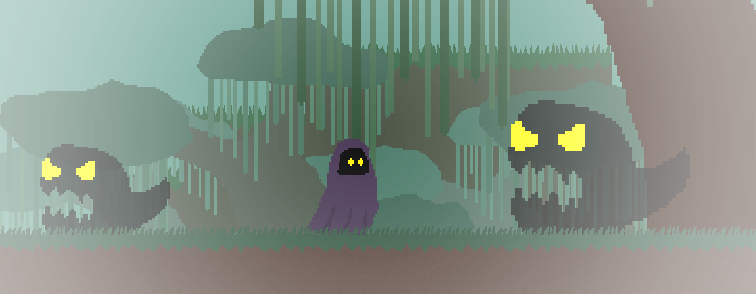
A horror game about night driving, moth man, and growing up. Built on procedural animation, enemy AI, and a spiritual fusion between 1st person driving and FNAF security mechanics.
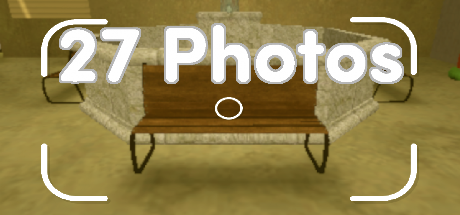
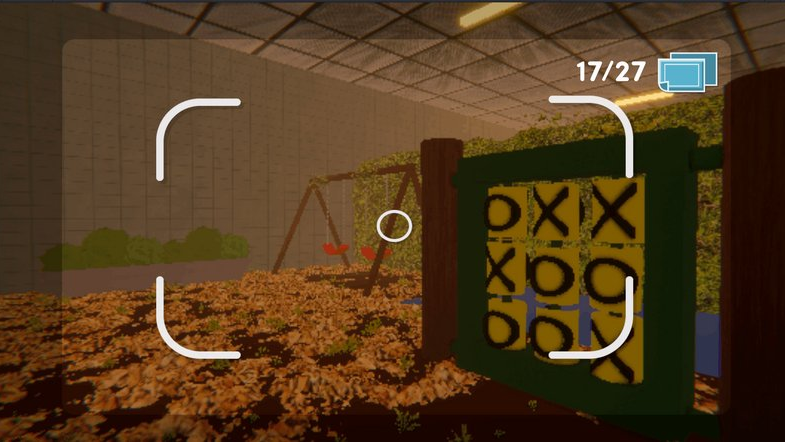
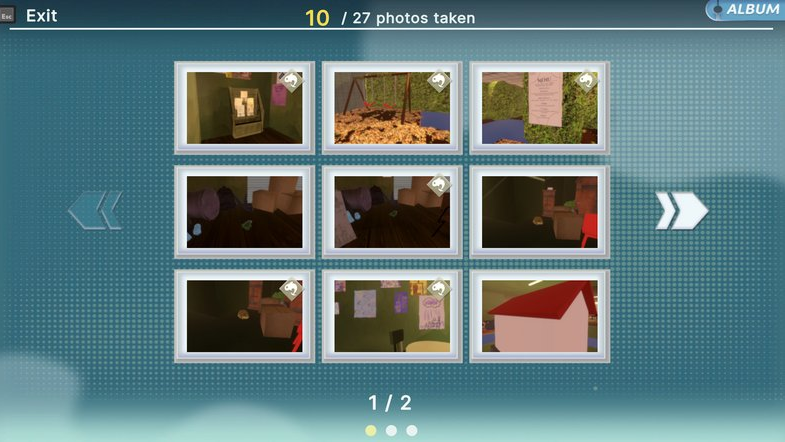
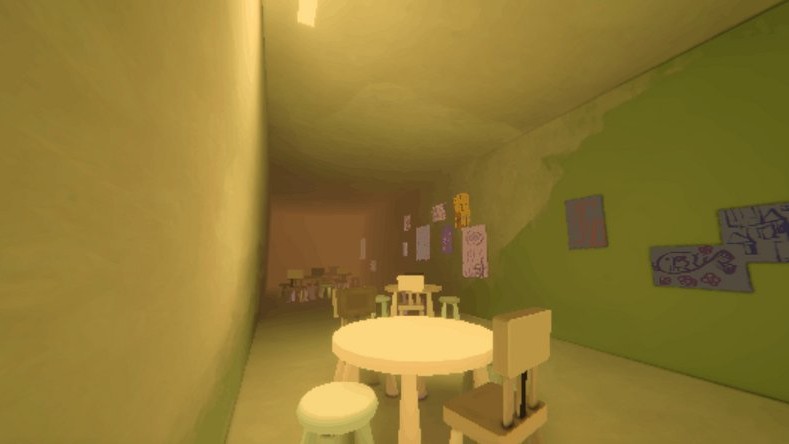
A photo-taking walking simulator and puzzle game. Role as designer gave me documented experience in mechanical, level, and puzzle design alongside team coordination.
Designer for photo-taking puzzle narrative game, working alongside 20+ person team.
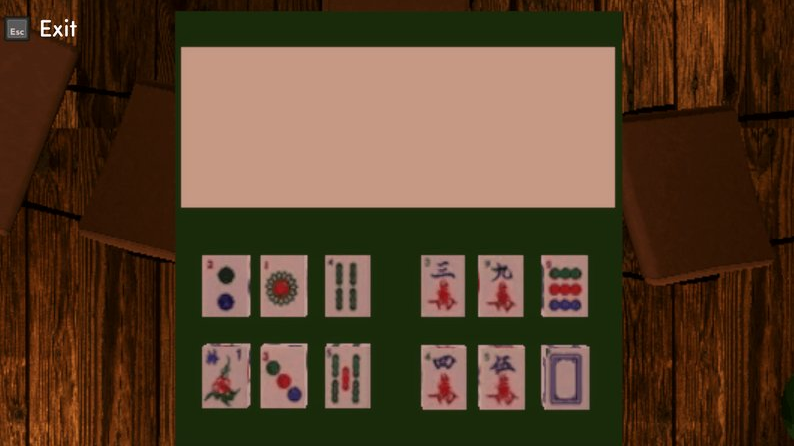
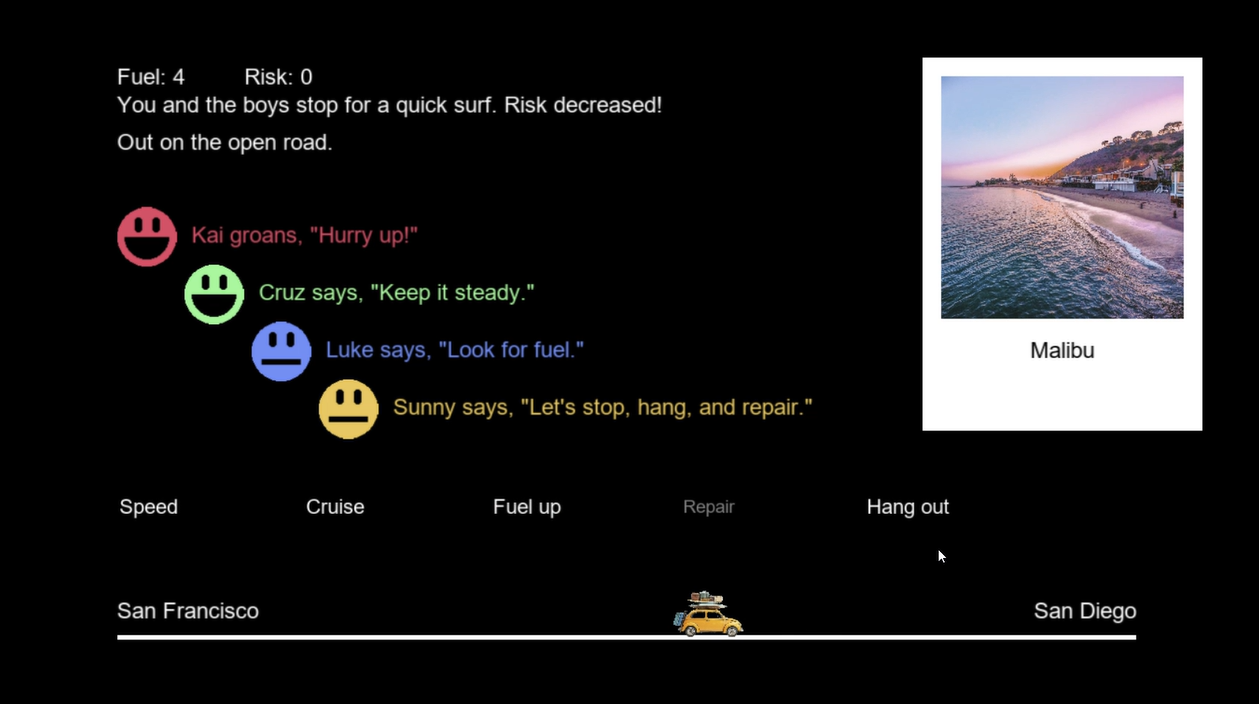
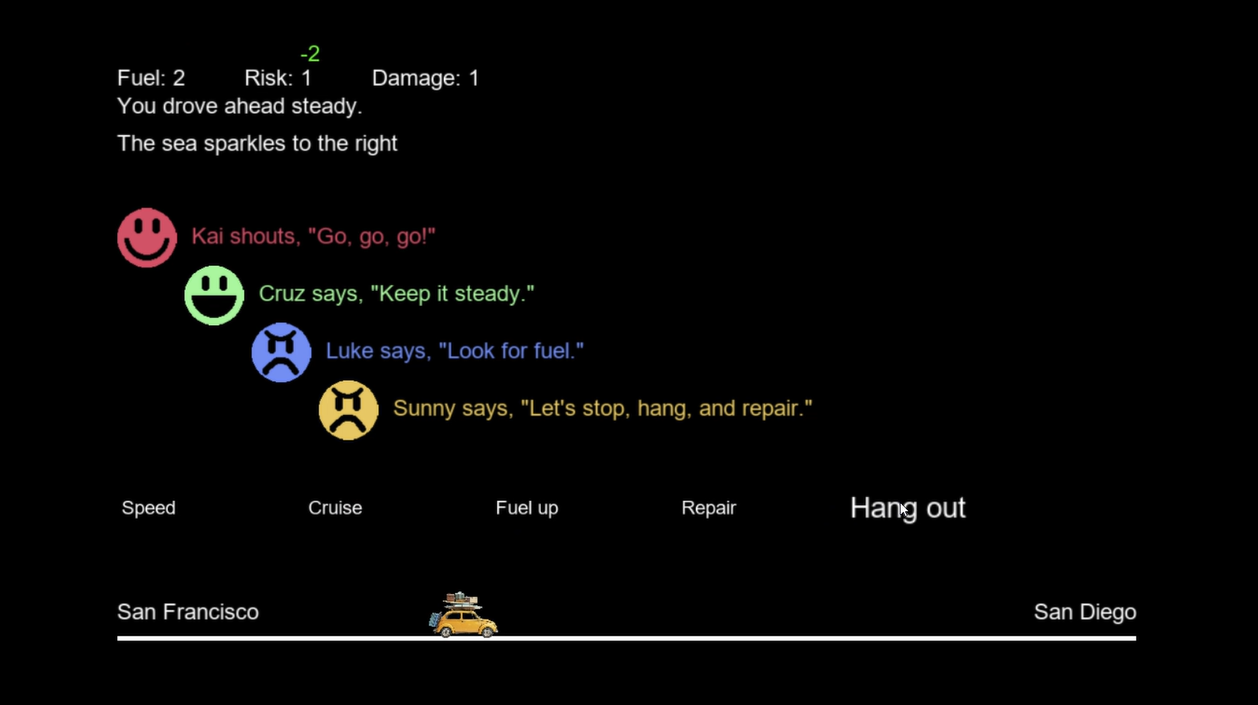
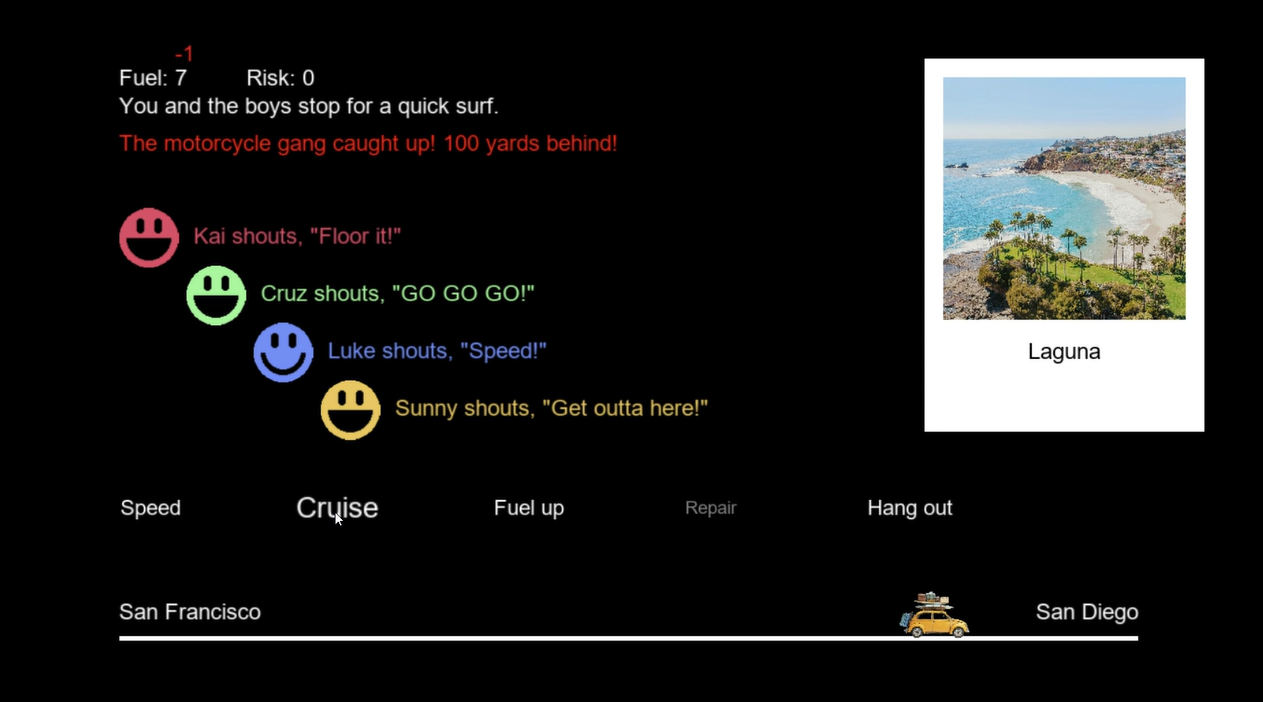
Thoroughly documented design process, road-trip text adventure about a group of SoCal surfer boys fleeing a motorgang.
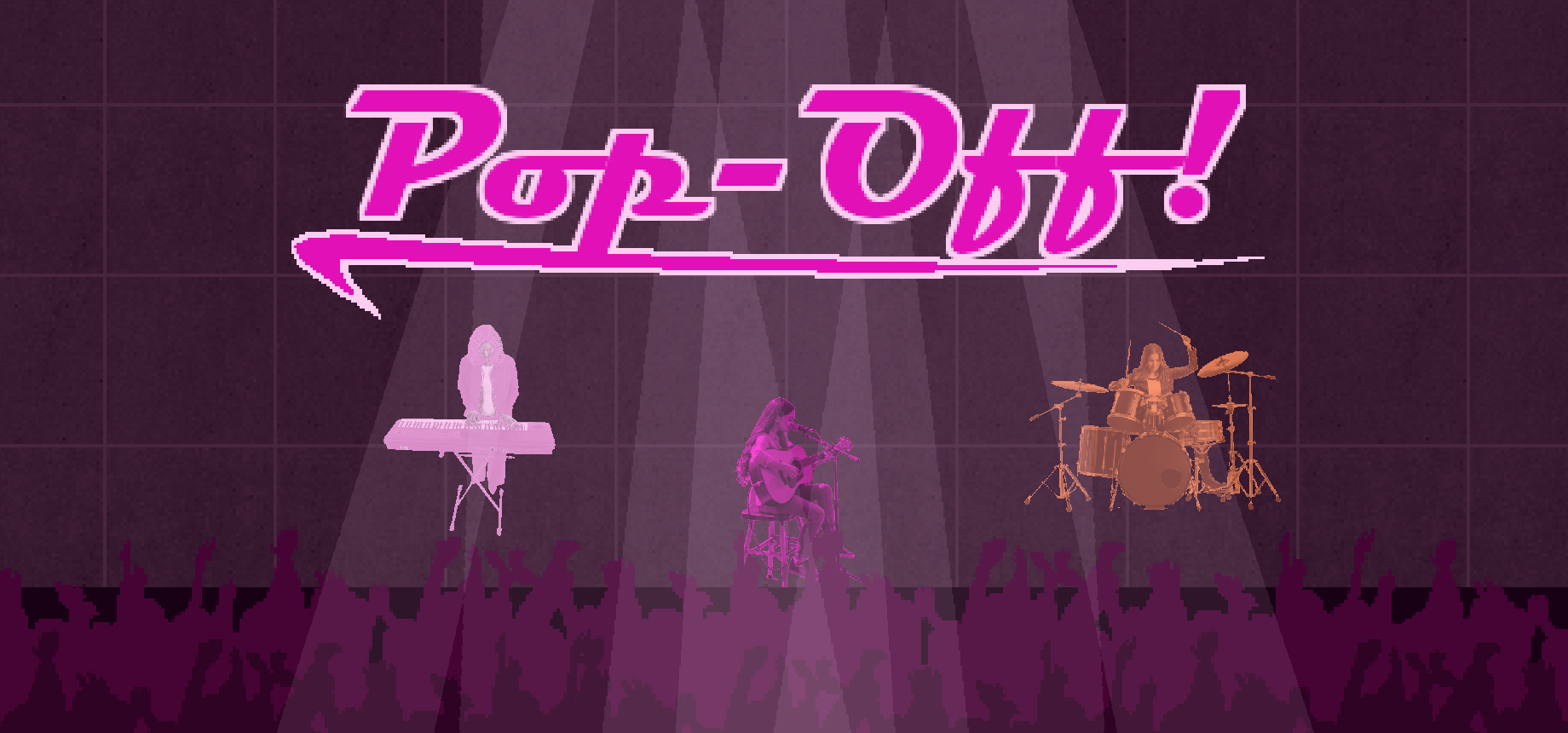
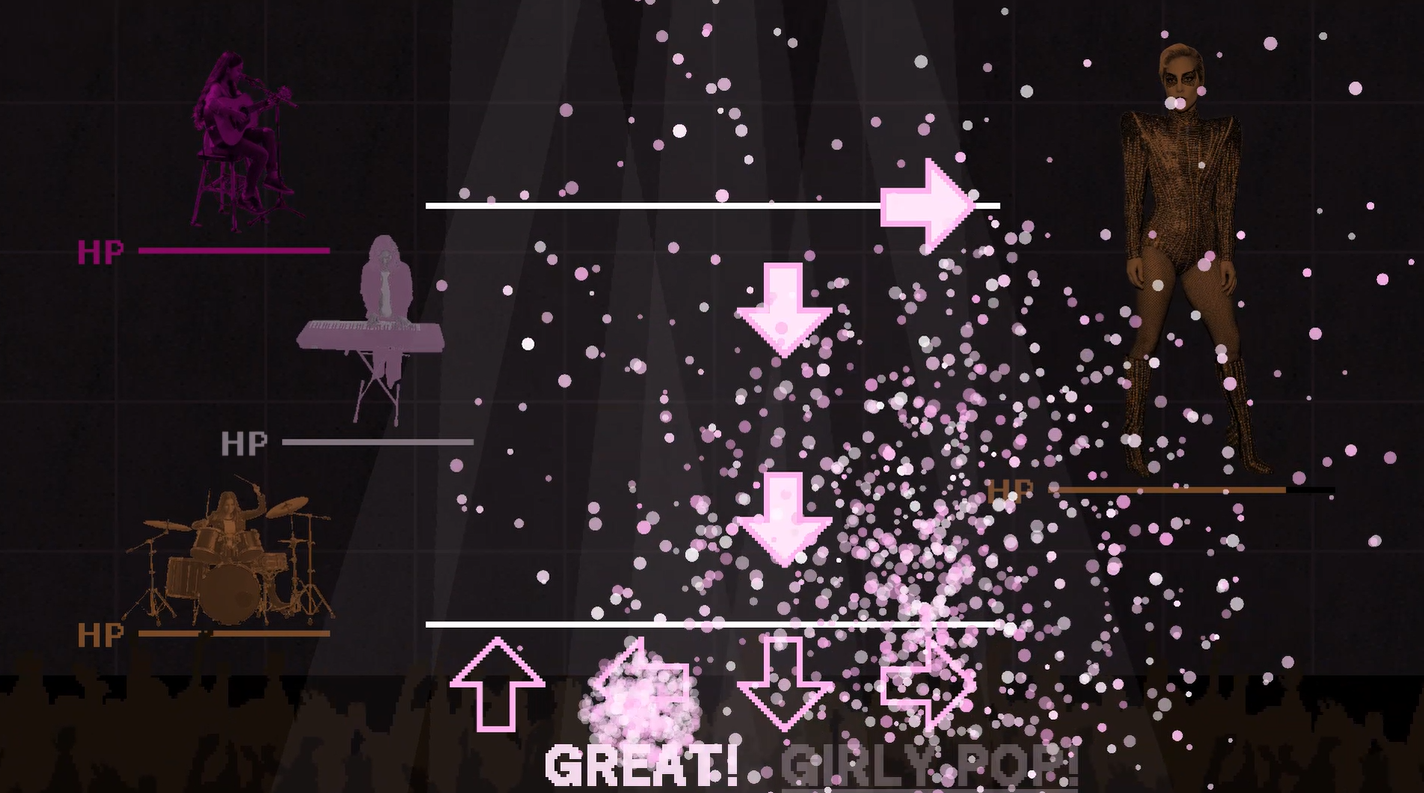
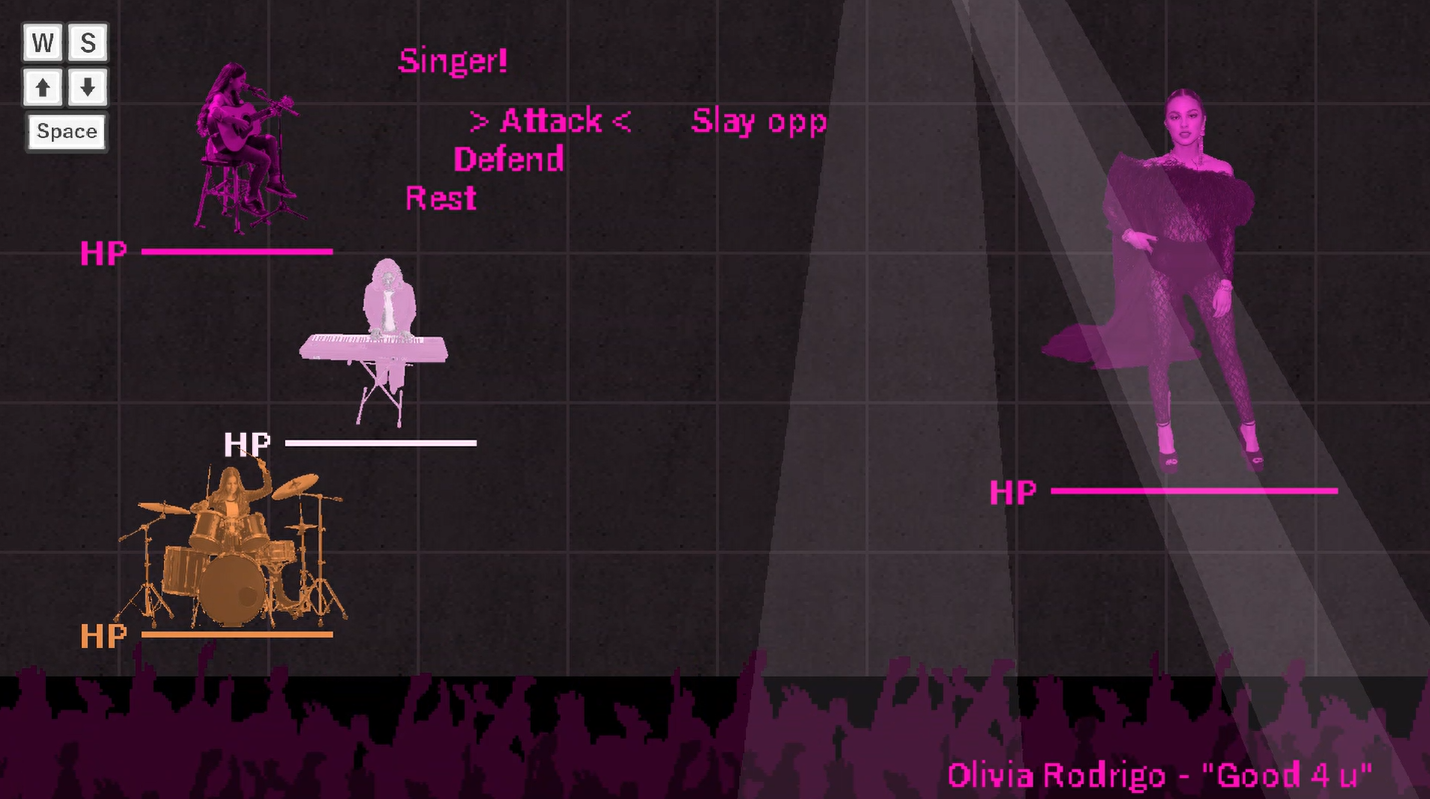
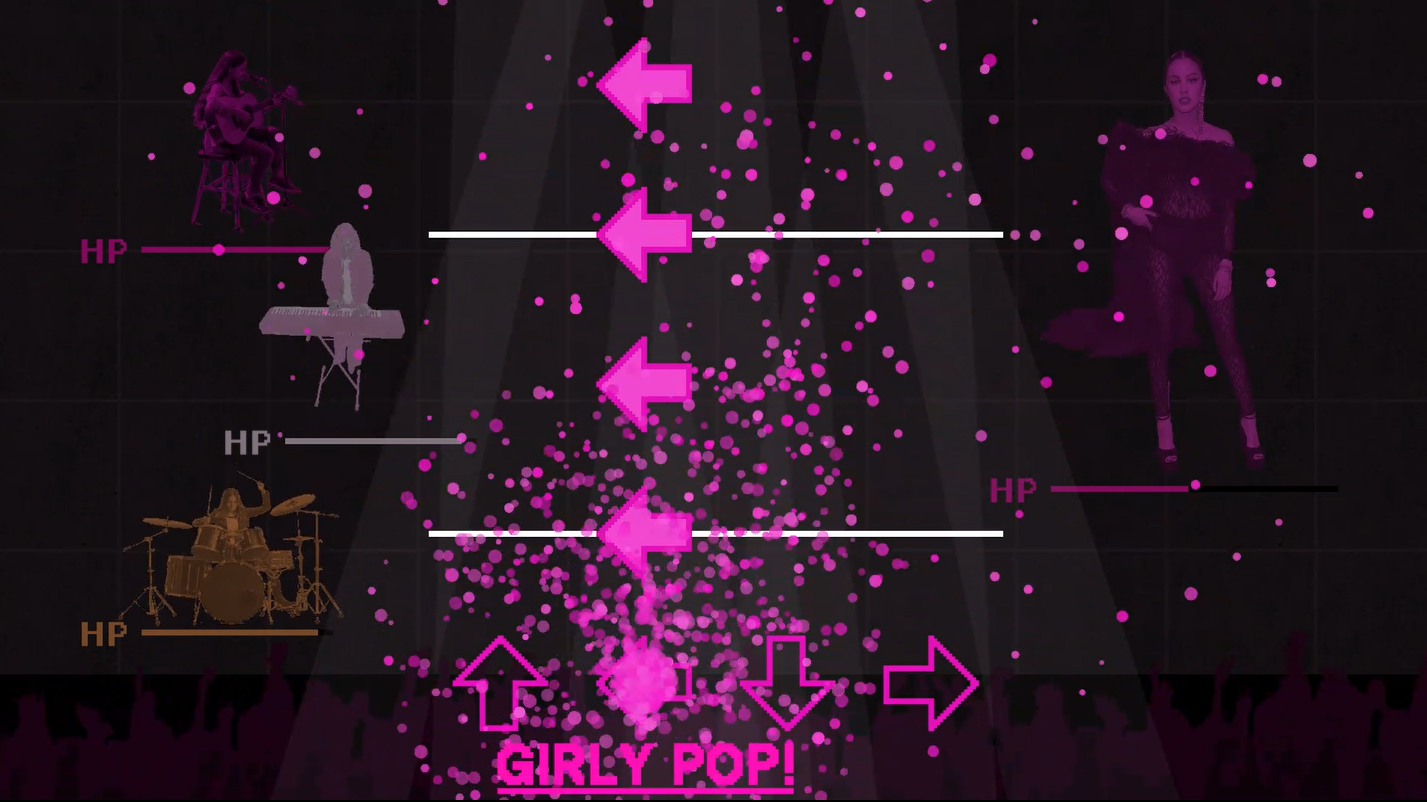
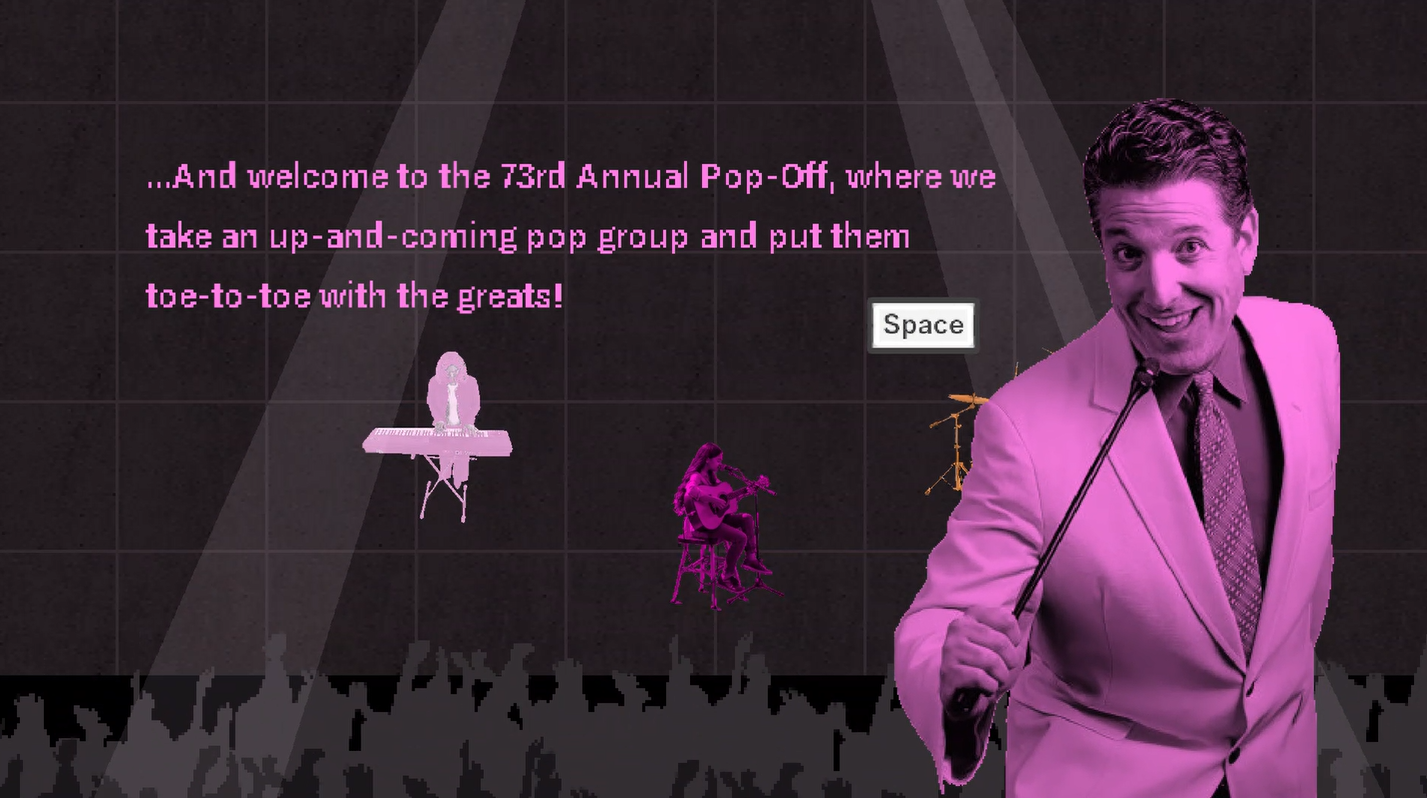
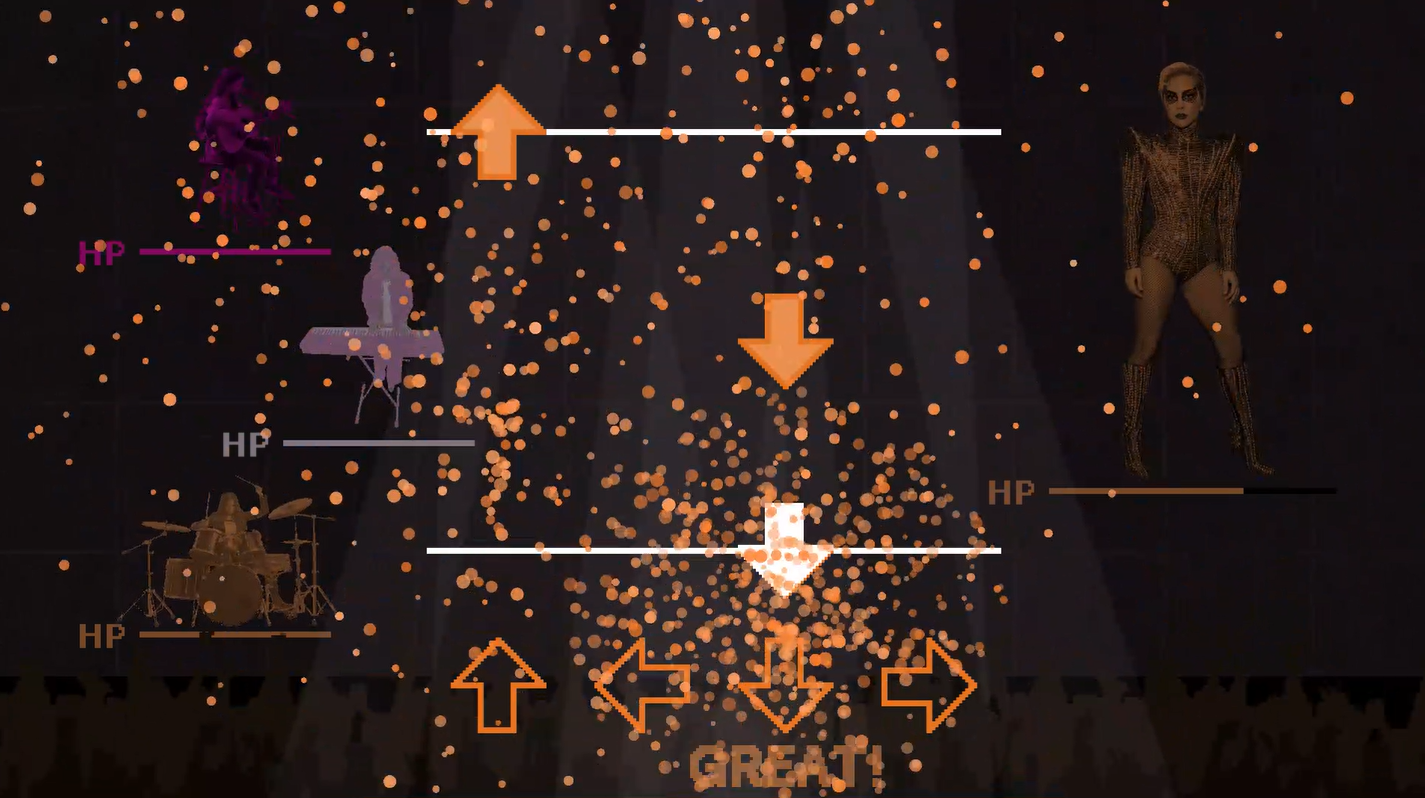
Pop-star boss rush where Guitar Hero meets turn-based RPG, developed for Girly Pop Game Jam.
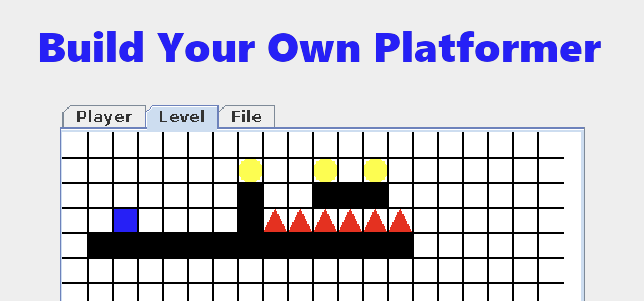
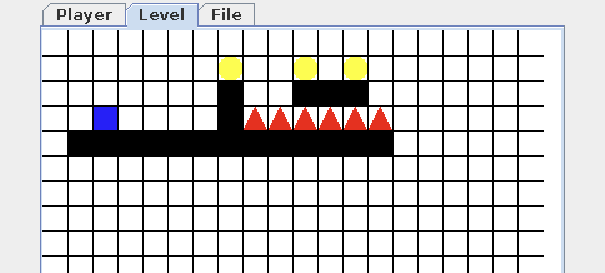
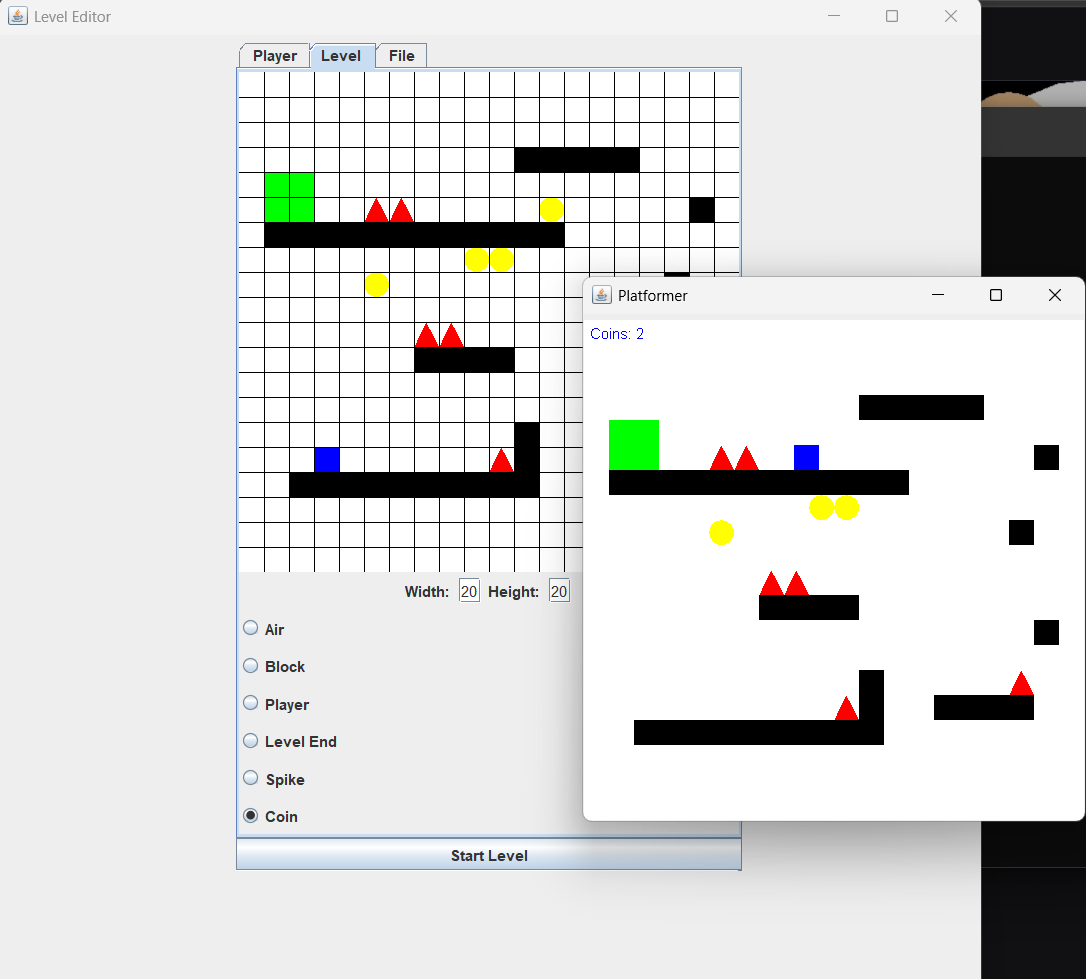
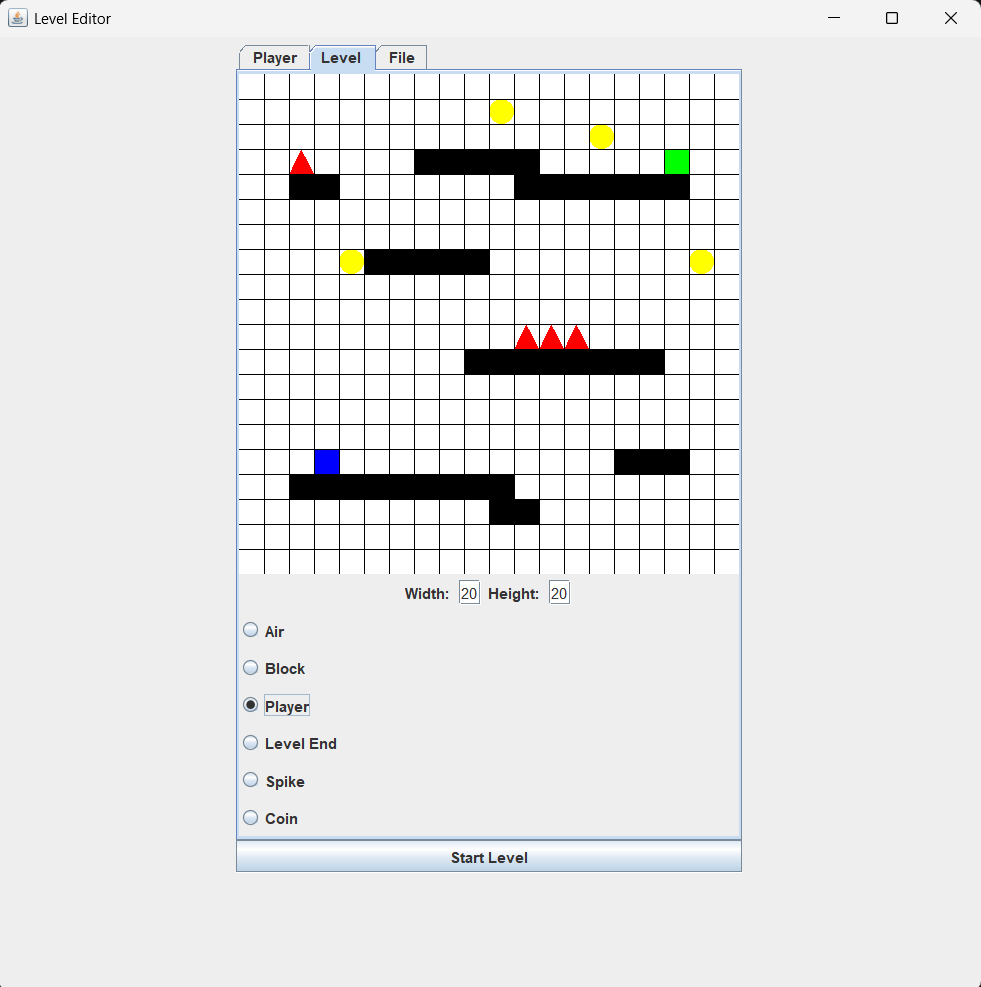
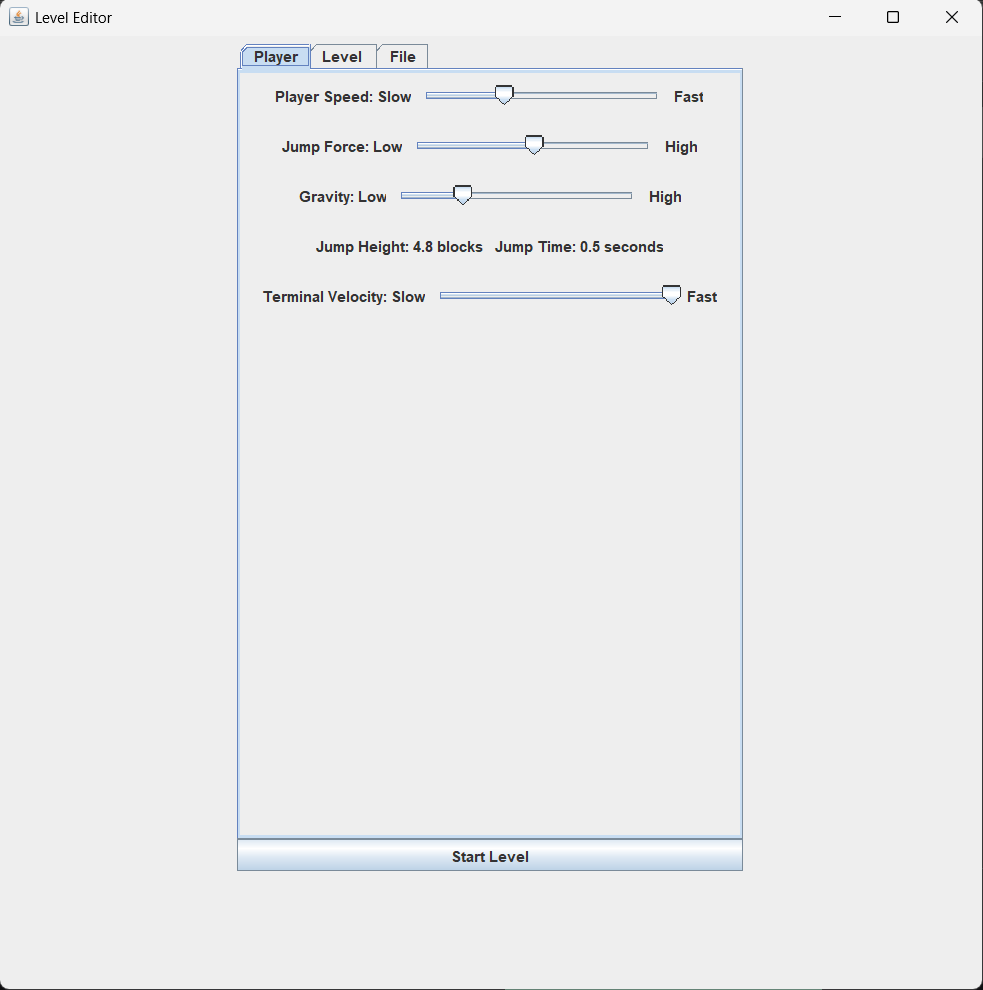
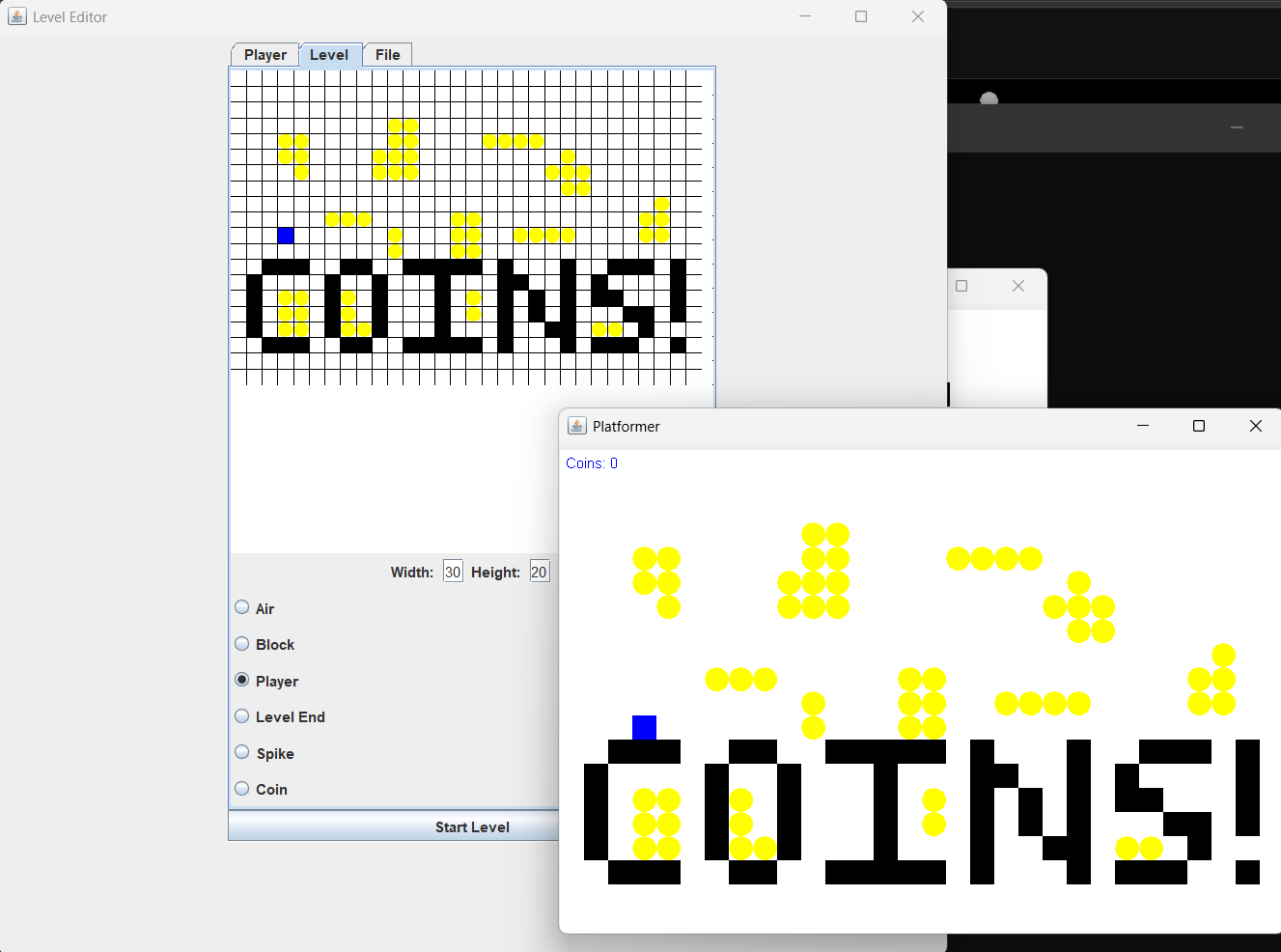
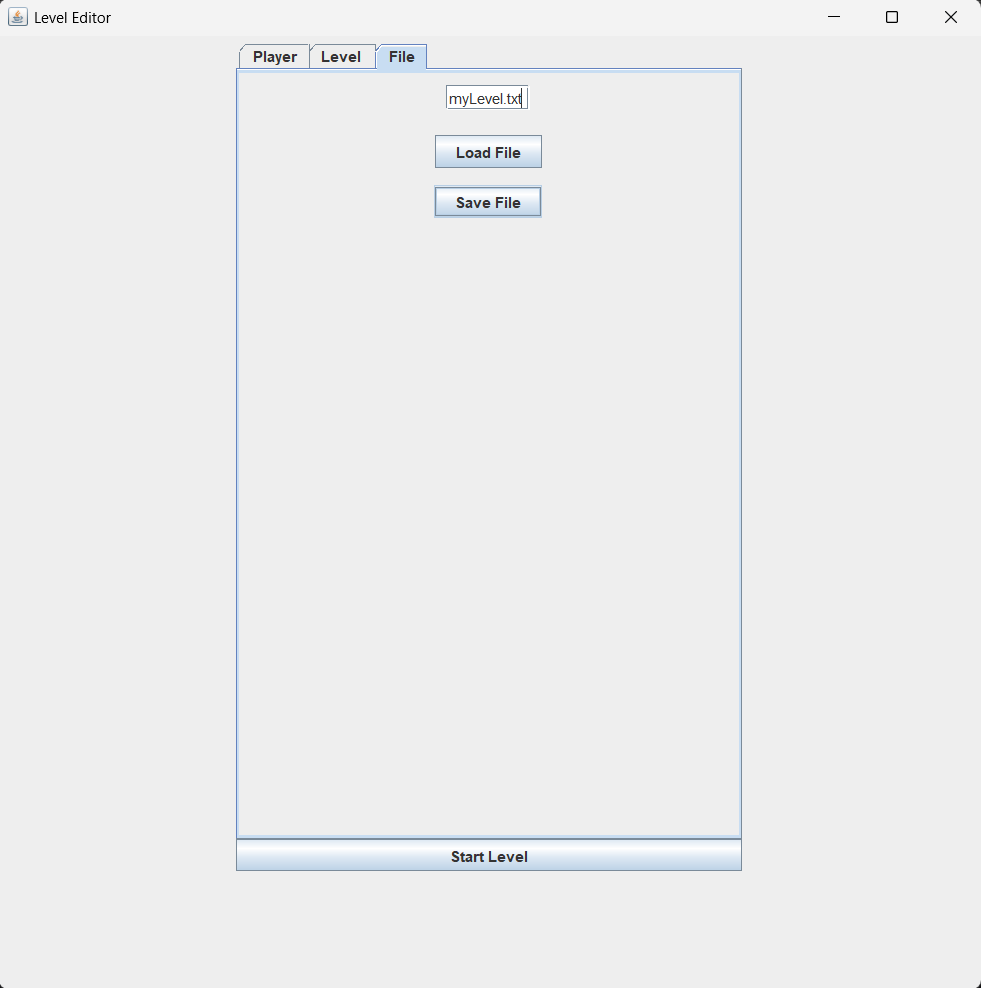
Pick-up-and-play development tool that lets players build their own RPG player character and levels.
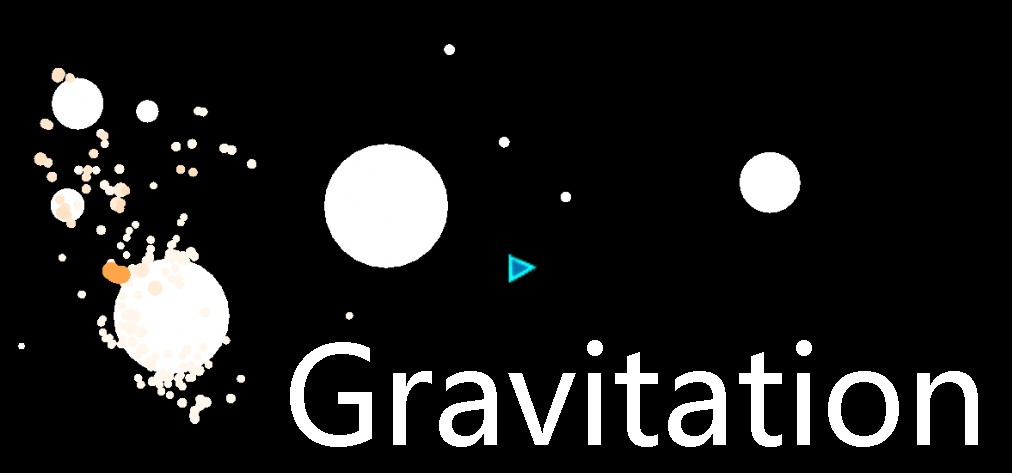
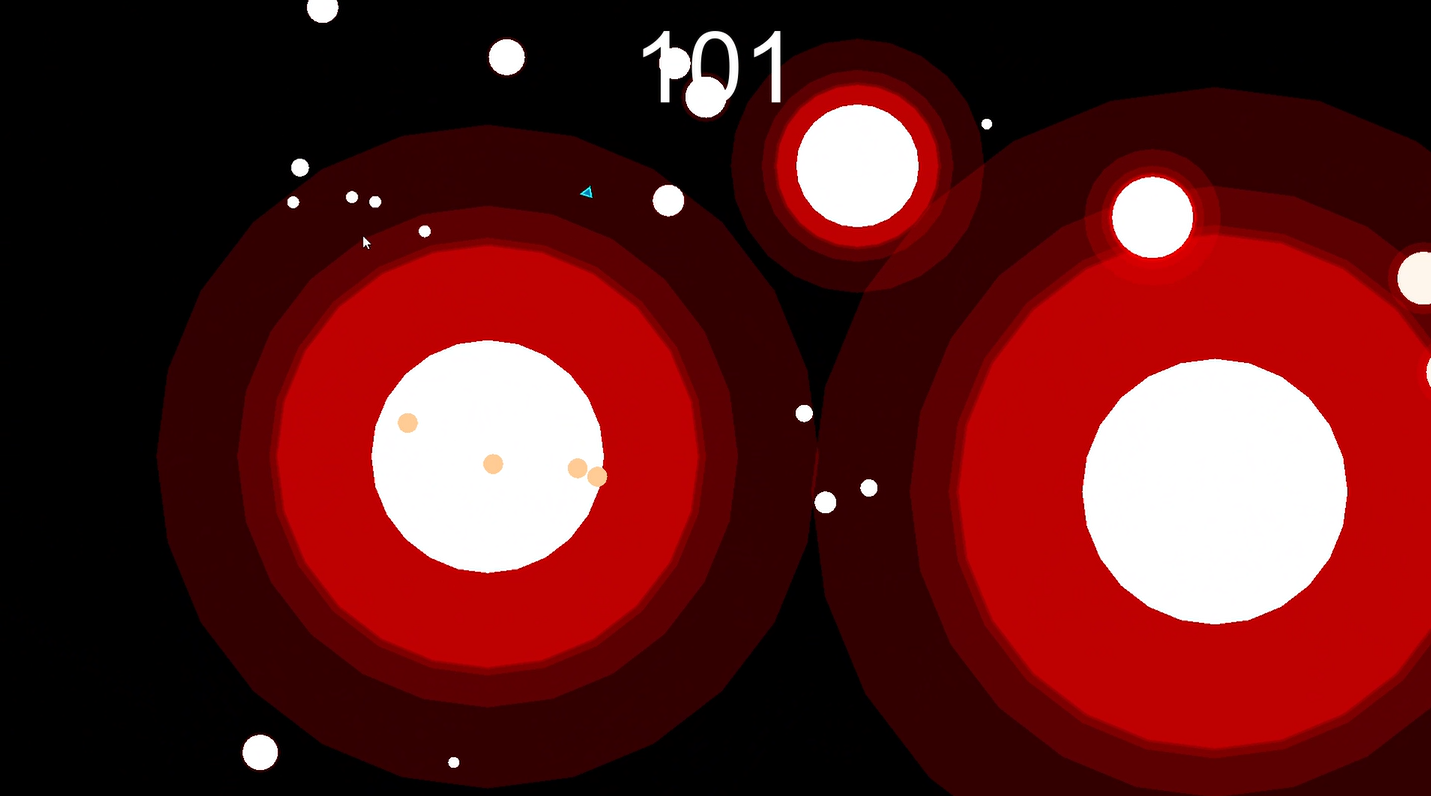
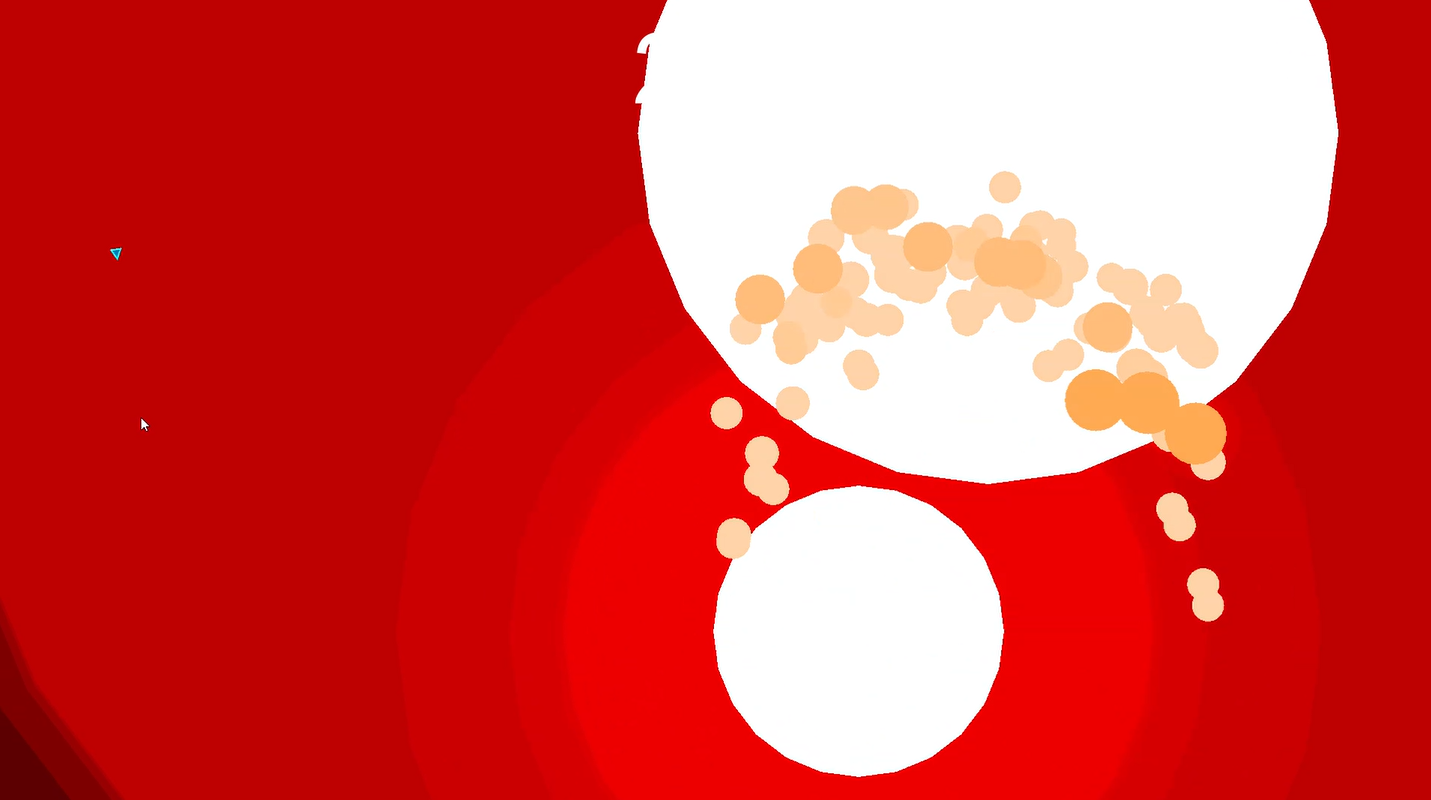
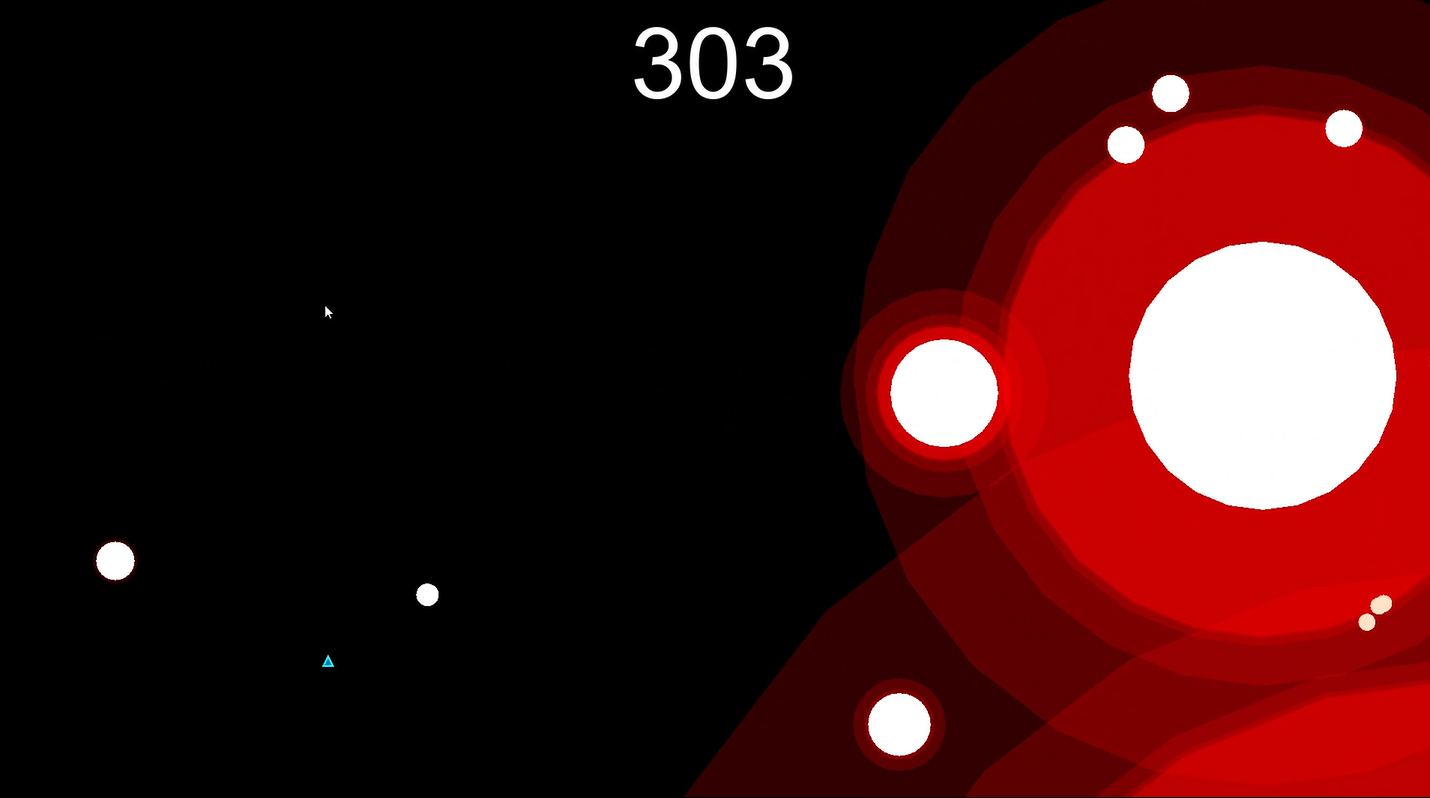
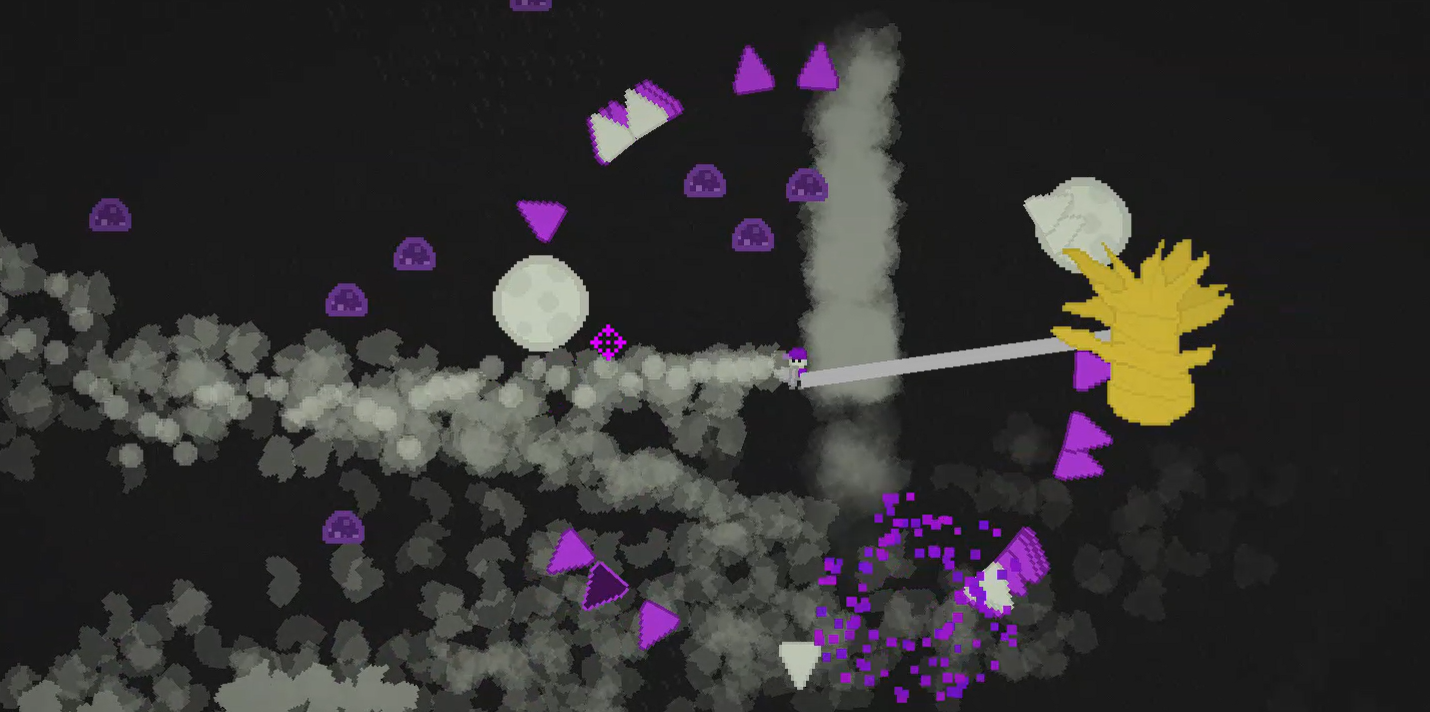
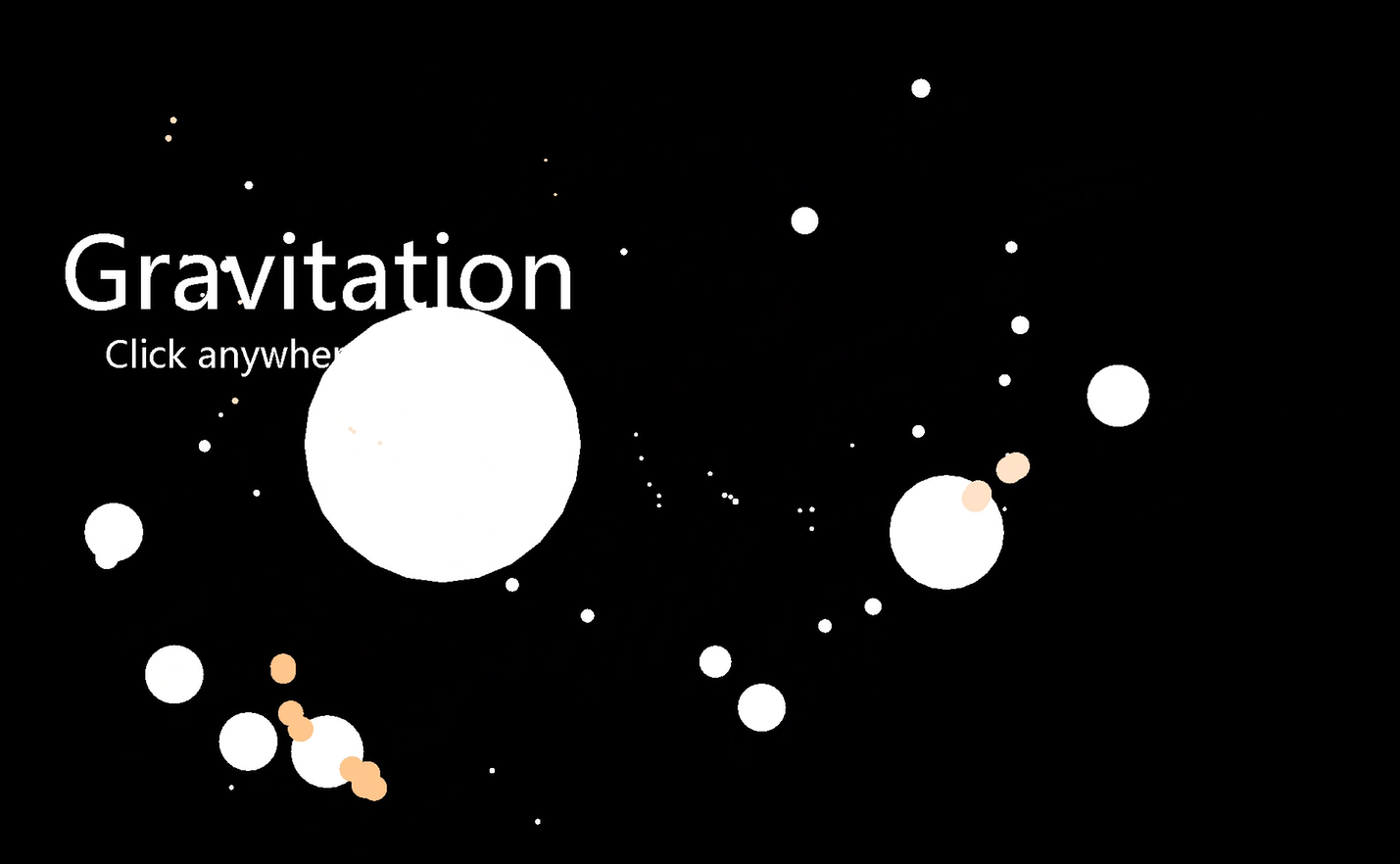
Newtonian arcade game about weaving through the chaos of colliding astral bodies.
A horror game about night driving, moth man, and growing up.
An expansive and chaotic Metroidvania where everything is destructible.
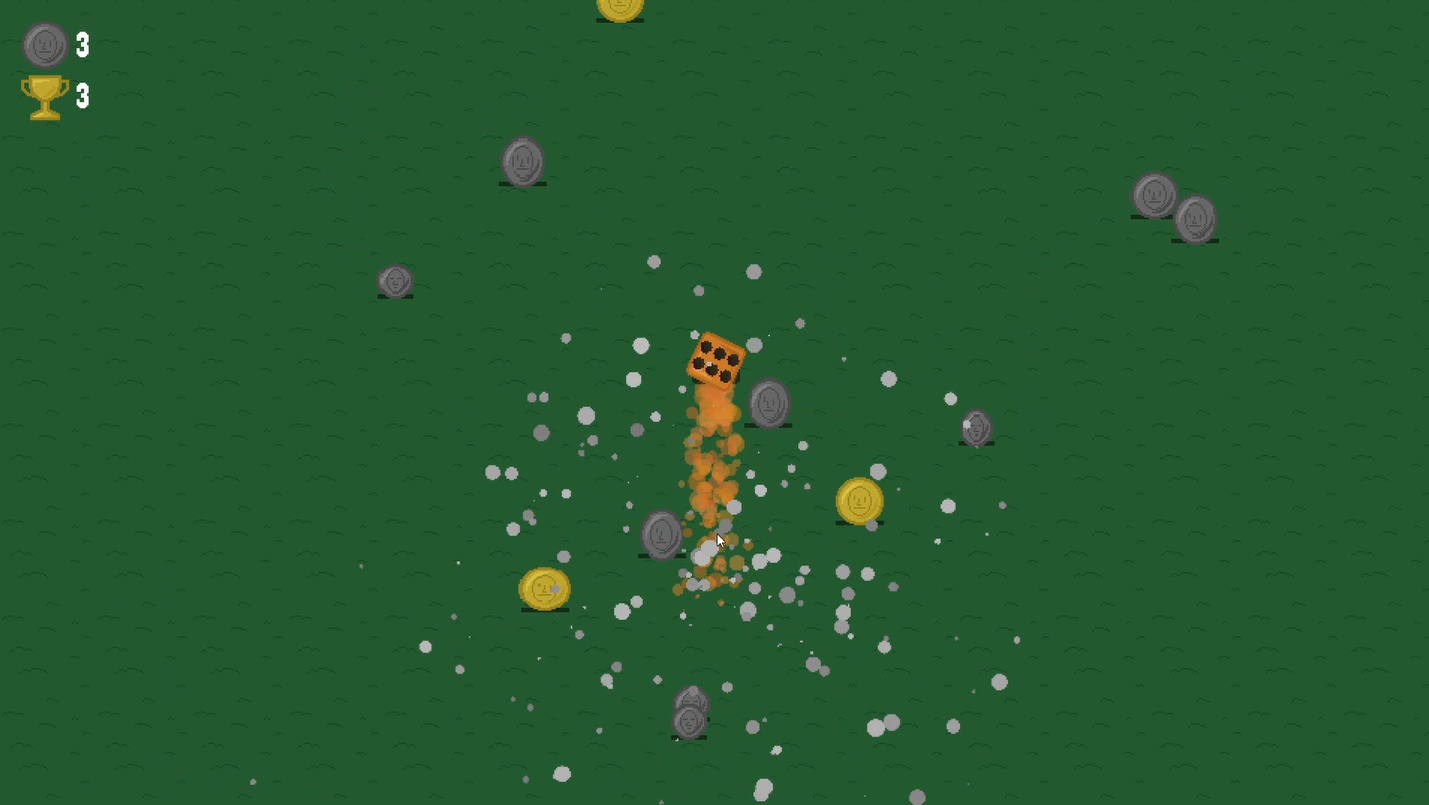
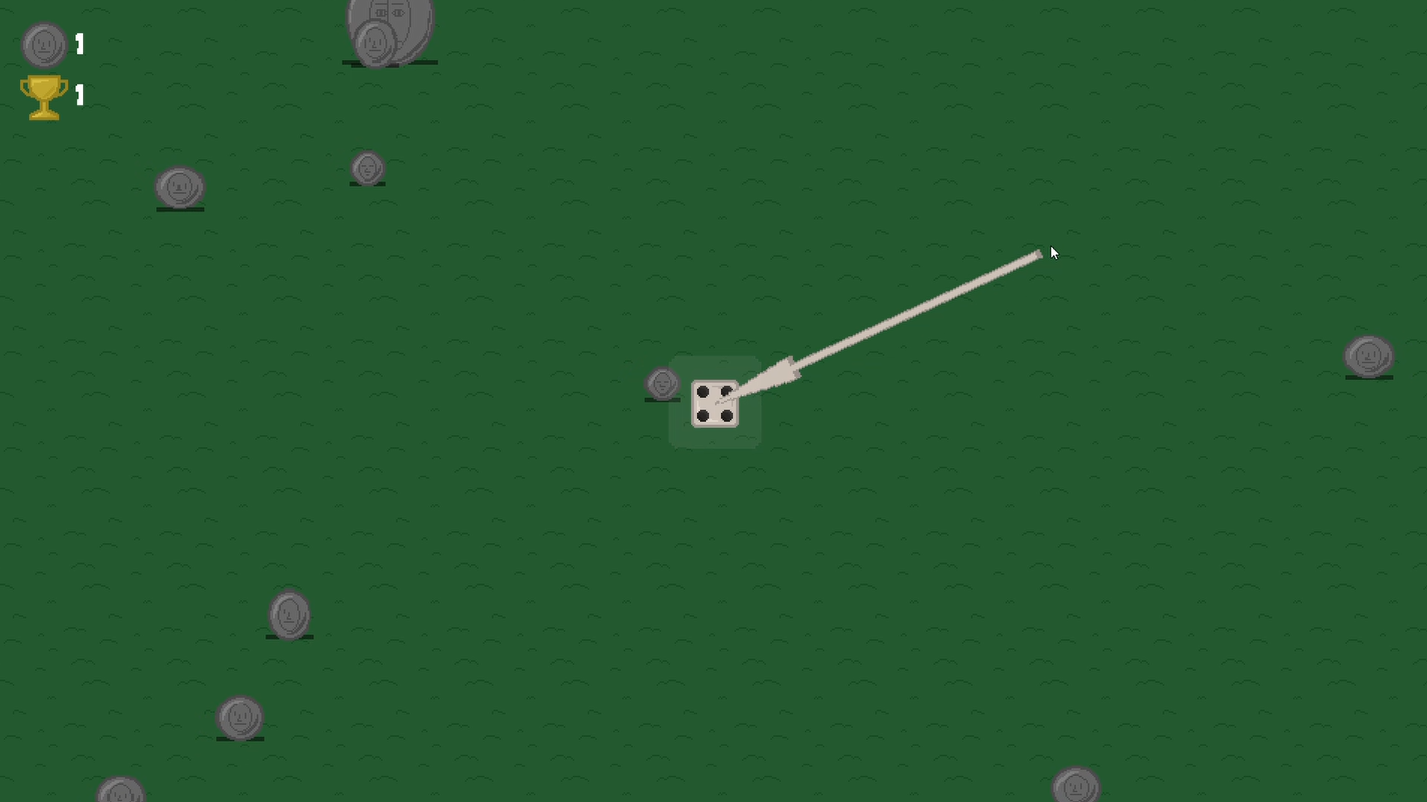
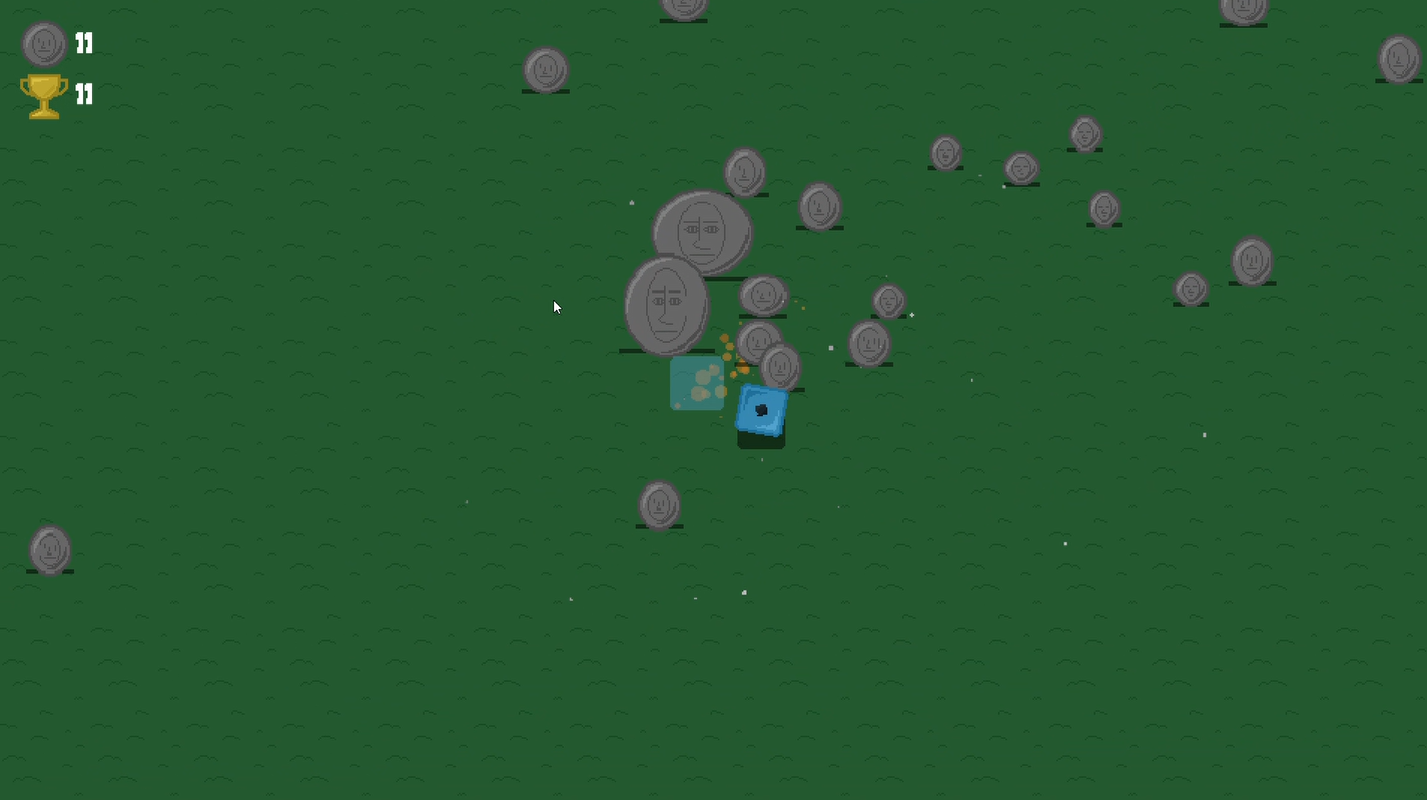
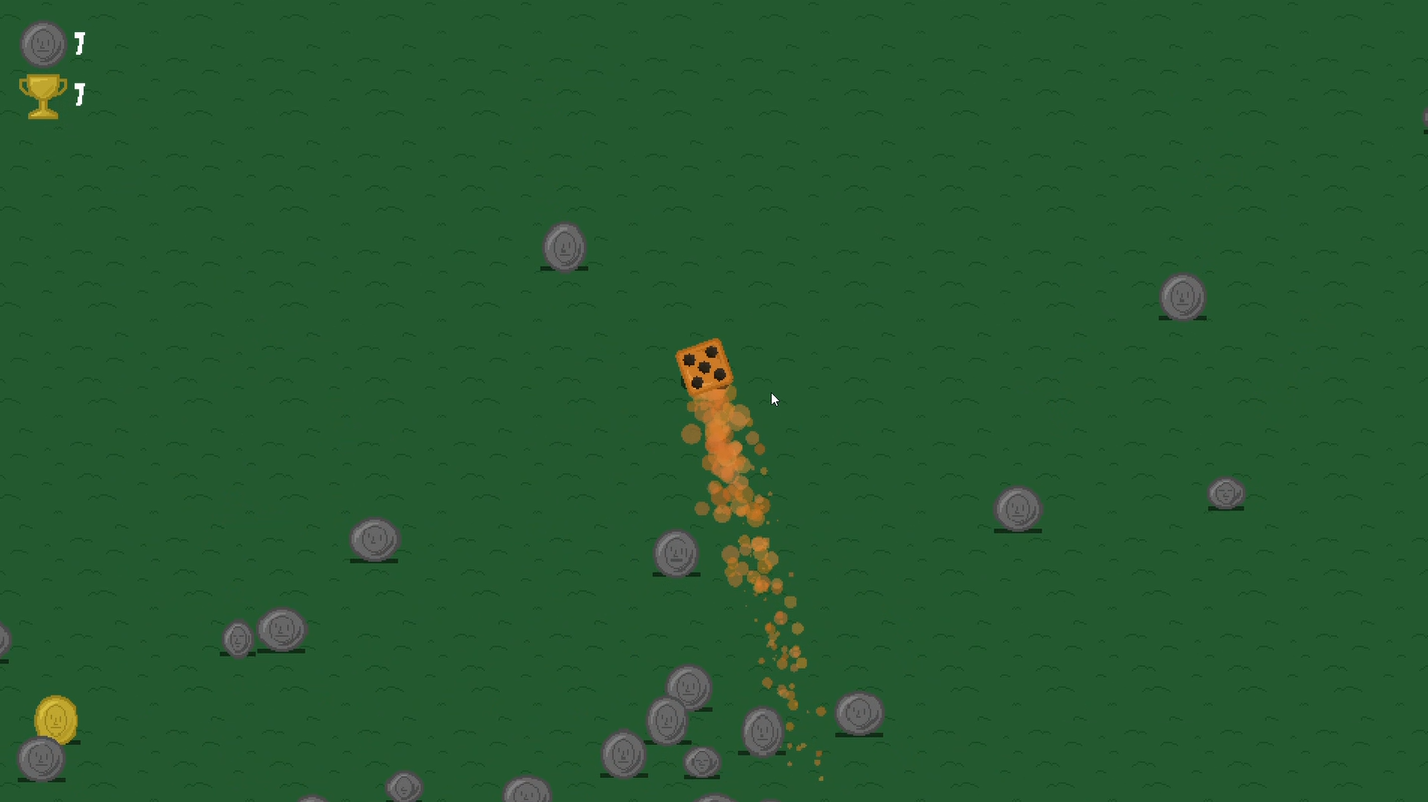
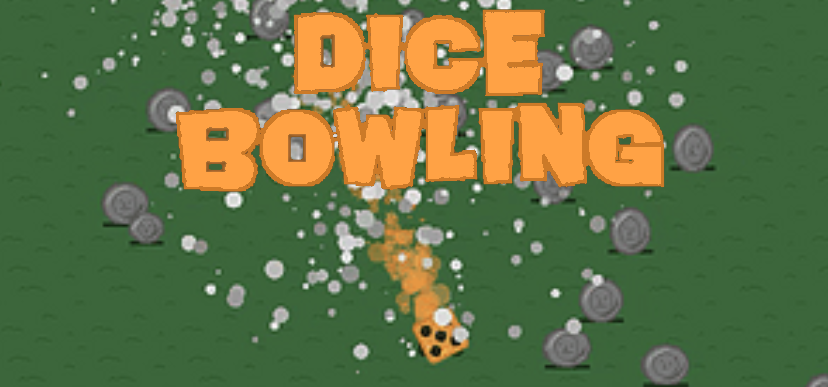
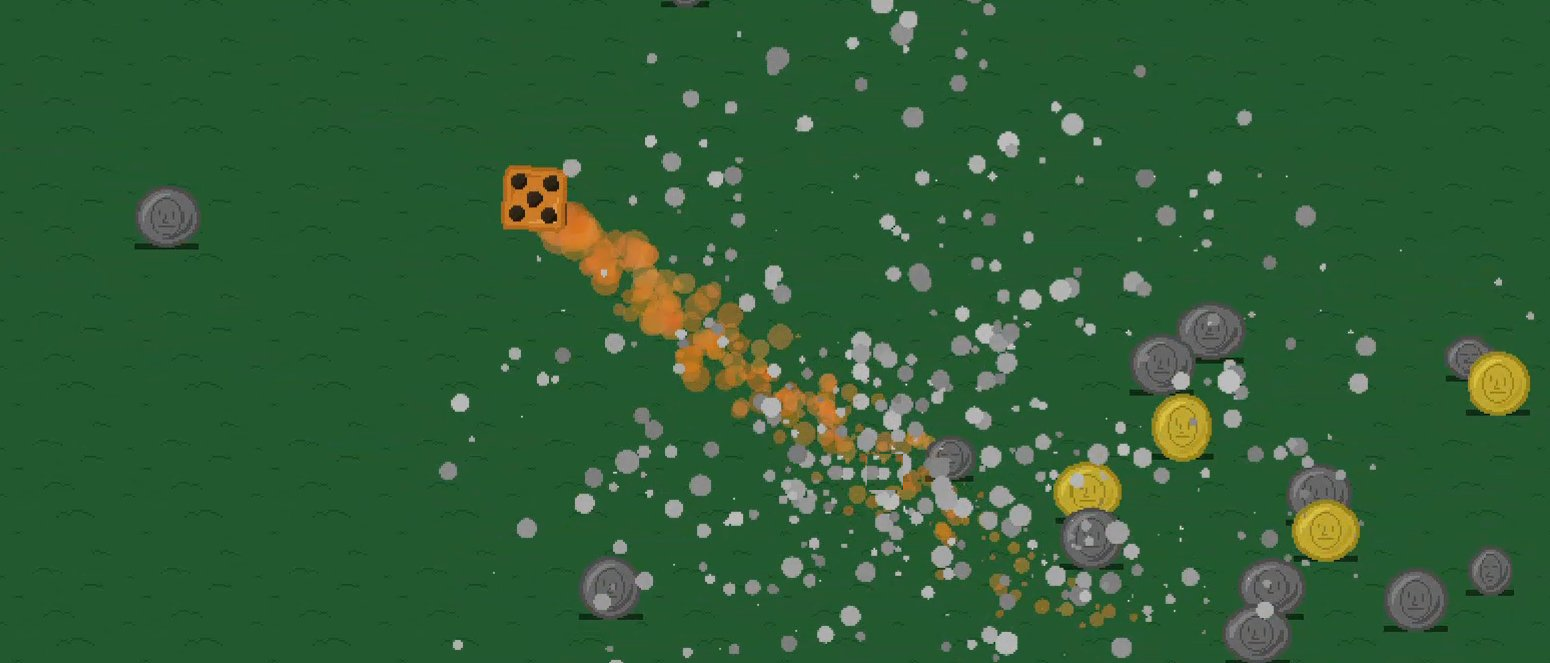
Arcade game where each roll of the dice (roll of yourself?) is the difference between triumpth and failure.
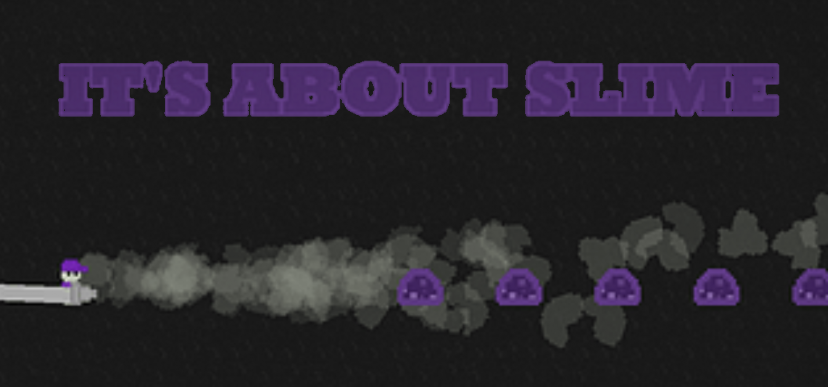
A lone milkman fights off hoards of slimes. Eight character builds and local multiplayer.
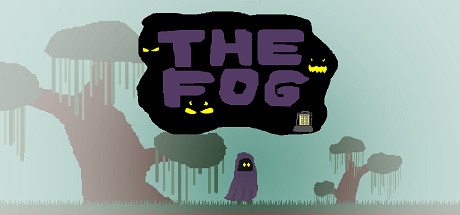
Collect lantern in a desperate attempt to survive the fog. Explore an abandonned world in this atmospheric platformer.
The games that are too small (and often too dumb) to display on this page.

[Placeholder] As the sole developer, I handled every aspect of Nitrojet — from core systems programming in Unity to boss AI design, level layout, UI/UX, sound design, and the full original soundtrack. This project pushed my ability to manage scope across a long development cycle while maintaining design coherence.
[Placeholder] I focused particularly on movement mechanics, ensuring the player's momentum felt satisfying at every speed. Iteration on the feel of movement drove many other design decisions downstream.
[Placeholder] Building Nitrojet as a solo project taught me how to ruthlessly cut scope without losing design vision. The biggest lesson was that the feel of a game emerges from hundreds of small decisions — none of which can be delegated. I'd approach boss design differently next time, focusing earlier on readable silhouettes and attack telegraphing.

[ YouTube trailer embed — Safe Travels ]
[Placeholder] Safe Travels was driven by a deliberate aesthetic vision: the grainy, low-poly early-3D look of late-90s games. I wanted the world to feel slightly uncanny — friendly but geometrically wrong in subtle ways. Every model was constrained to a specific poly count and vertex-snapping rule.
[Placeholder] The procedural animation system was built from scratch in Godot using IK chains for limb placement. The goal was locomotion that felt organic but clearly mechanical — a little like a spider moving its legs independently over uneven terrain.
[Placeholder] One of the most unusual design choices in Safe Travels is the "car-look" mechanic — the player's vehicle turns its entire body to face points of interest rather than just a camera pivot. This creates a sense of personality and attention that makes the world feel reactive. I documented the iterations that led to the final implementation.
[Placeholder] Safe Travels was the first time I let aesthetic goals drive technical decisions rather than the other way around. Building the procedural animation system first — before any gameplay existed — forced me to understand what the game needed to feel like before knowing what it needed to do.

[ YouTube trailer embed — 27 Photos ]
[Placeholder] On 27 Photos I led level design for the majority of the puzzle stages. The game is built around photographs as the primary interactive element, and I designed the spatial logic that connects visual clues to player movement.
[Placeholder] I also contributed to the design philosophy doc — defining what made a good "photo puzzle" and building a language of difficulty that could be shared with the whole team.
[Placeholder] Working on a team required me to communicate design intent much more explicitly than when working solo. Writing shared design documents and defining a "level language" that others could use pushed me to articulate instincts I'd previously left implicit.

[ YouTube embed — Beach Car Game ]
[Placeholder] Beach Car Game is a solo project with heavy emphasis on design documentation. Every mechanic has a corresponding design rationale, and the project served as a testing ground for structured design process habits I wanted to build before tackling larger projects.
[Placeholder] Beach Car Game was where I committed to process-first development. Writing the tutorial on paper before touching Unity forced clarity about what the game actually needed to teach — and revealed several mechanics I'd planned that were redundant or confusing.

[ YouTube embed — Pop-Off! ]
[Placeholder] Pop-Off! originated from a question: what happens when you apply the tension structure of a battle-royale to a casual party game? The concept emerged from analyzing what creates pressure in competitive games and how that pressure can be made legible to non-competitive players.
[Placeholder] I documented the genre analysis process — mapping the mechanics of both parent genres, identifying overlaps and conflicts, and finding the design space where a mashup could be coherent rather than chaotic.
[Placeholder] On Pop-Off! I contributed the core concept framing and the initial design document. I also handled [placeholder role description] during development. The game was built collaboratively with a [placeholder team size] team.
[Placeholder] The hardest part of Pop-Off! was keeping the genre mashup from becoming incoherent. Every mechanic had to earn its place by serving both the casual accessibility goal and the competitive tension goal simultaneously. Some mechanics we designed failed this test and were cut.
Experiments, jam games, and demos that don't fit neatly elsewhere.
[Placeholder] A short exploration game built around manipulating local gravity fields. The player navigates a surreal environment where every surface can become a floor. Built in [engine placeholder] over [timeframe placeholder].
Play on itch.io →[Placeholder] A short exploration game built around manipulating local gravity fields. The player navigates a surreal environment where every surface can become a floor. Built in [engine placeholder] over [timeframe placeholder].
Play on itch.io →[Placeholder] A collection of small game demos built during summer 2025, each exploring a single mechanic or aesthetic idea. Topics include [placeholder mechanic 1], [placeholder mechanic 2], and [placeholder mechanic 3].
View Collection →[Placeholder] A social deduction game for [placeholder player count] players inspired by the social dynamics of online multiplayer spaces. Players must identify an asymmetric information holder through [placeholder mechanic description].
Play on itch.io →Original compositions, sound design, and audio work across projects.
[Placeholder] I compose and produce all original music for my projects, primarily in [DAW placeholder]. I approach sound design as an extension of game feel — every audio event should reinforce the physical sensation the player is experiencing. My work on Nitrojet's 40-track soundtrack informed how I think about pacing and emotional arc in longer-form compositions.
[Placeholder] Tools: [DAW placeholder], FMOD for adaptive audio integration, original foley recordings, and [synthesizer/plugin placeholder].
[Placeholder] I'm a freshman studying Computer Science at Yale University. Before Yale, I was building games independently — the kind of obsessive, years-long solo projects that teach you everything textbooks don't cover. That's where Nitrojet came from.
[Placeholder] At Yale I'm continuing to develop games while studying the theoretical foundations that explain why games feel the way they do. I'm particularly interested in the overlap between systems design and player psychology — how rule structures create emotional experiences.
[Placeholder] I work in Unity and Godot, compose all my own music, do my own sound design, and write extensive design documentation before and during every project. I believe the design process — the thinking, the iteration, the documentation — is as important as the final artifact.
[Placeholder] Good game design is invisible. When a player feels smart, capable, or surprised, they're feeling the design working — not seeing it. My goal in every project is to create systems that generate those moments as reliably as possible, with as little friction as possible.
[Placeholder] I'm drawn to movement as a primary mechanic. How a player moves through a space tells them what the game values. If movement feels good, everything built around it has a better chance of feeling good too.
Game design internships for summer 2025. I'm interested in roles focused on systems design, level design, or gameplay programming. Open to studios of all sizes.
Open to internship opportunities, collaboration, and conversation about games.